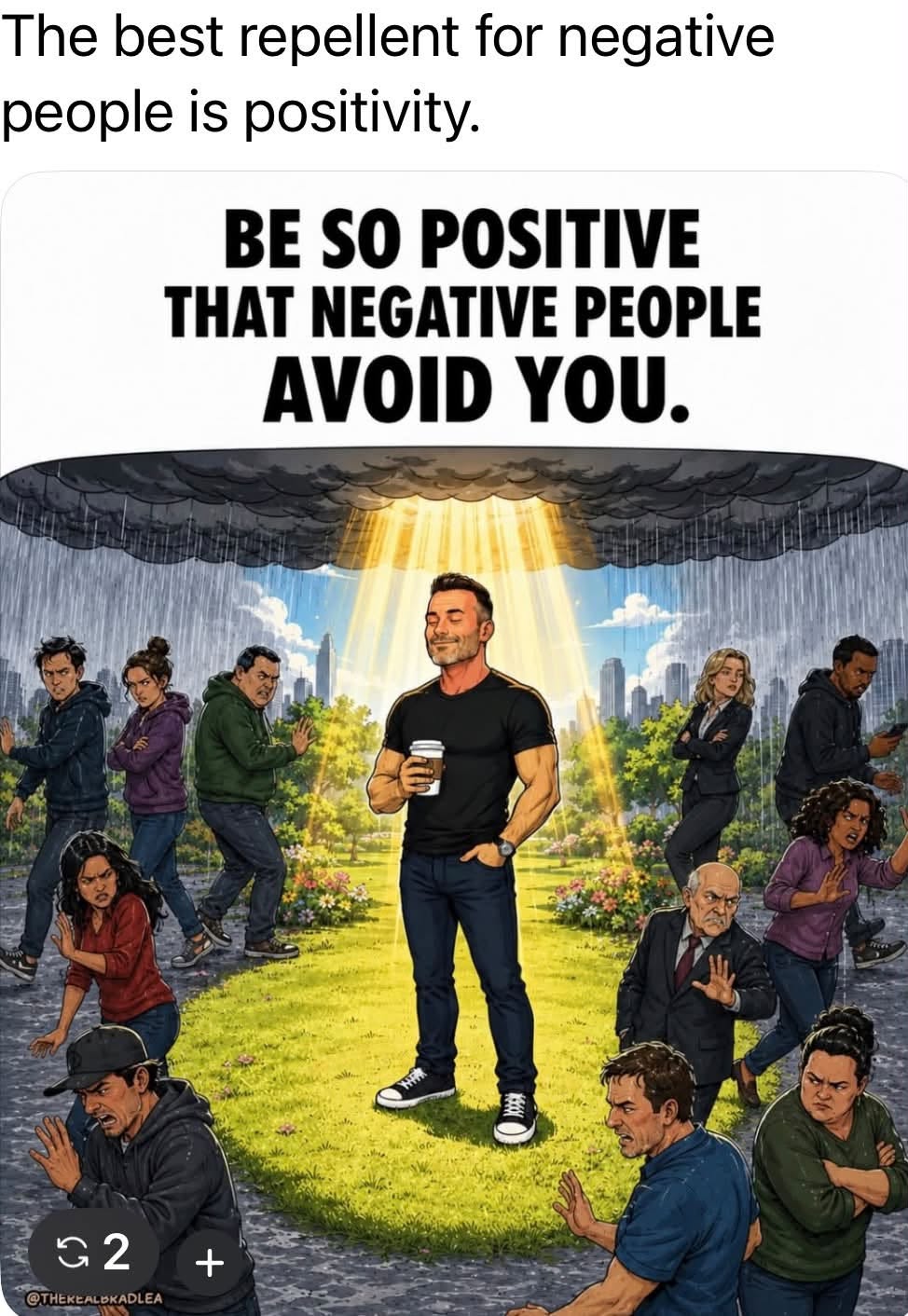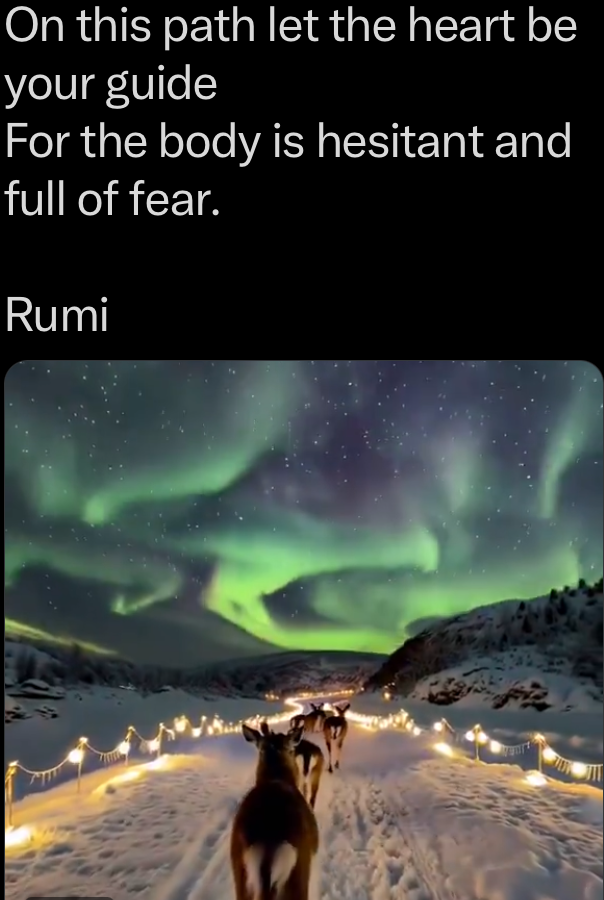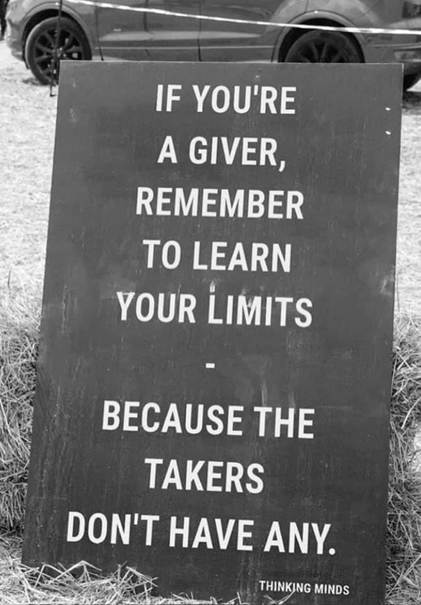

Happy Soul Food Friday!
This week, after keeping my blog https://soulfoodfriday.com/home/ alive and kicking every week since 2013, birthed in a personal commitment to putting positive energy out into the universe, and while generally sharing clips or links, other than transformative personal experiences like visiting San Quentin, or experiencing life-changing experiences in other dimensions, I chose a different tack and wanted to connect the dots on experiences in my life over the last two weeks that hopefully will trigger some reflection and action in yours.
From my perspective there seems to be a recurring theme and thread, and I fully recognize humans are meaning makers and can create meaning out of anything, so its up to you to discern if this worthy of your time or simply a construct of my own condition…
Links to all groups referenced follow at the end, in case you want to explore them further as they all do important work in our community and could benefit from support from you be that amplification, consideration, or remuneration.
It begins Oct 5th with the San Diego Food System Alliance conference on Nourishment, related to their Food Vision 2030.
In the spirit of teaching a person to fish v. feeding a person a fish, I liken the SDFSA to creating a whole new fishery, leveraging our local farms, indigenous wisdom, and a collaborative and sustainable model to address the rapidly rising food insufficiency challenges in our county.
Here, I was initiated into the concept of Rematriation. Unlike repatriation, rematriation is the sacred and political process of returning (Indigenous) peoples, ancestral lands, sacred items, and traditional knowledge to a state of balance with Mother Earth, and unlike traditional “repatriation“, which often treats the return of items or land as a bureaucratic, legal, or patriarchal transaction, Rematriation focuses on restoring living, respectful kinship relationships with land, water, and culture.
I will temper myself and make no mention of Super El Nino, firestorms and other conditions that unequivocally demonstrate we are out of touch with mother nature and have really pissed her off!
Oct 5: The same evening, I served as one of many cohosts for The Balboa Park Table, a large scale gathering to connect local leaders and residents at a 500-person table with the goal of fostering human-to human connection across different neighborhoods, industries, and backgrounds rather than networking for titles, transactions and titillation.
This was an opportunity for all of us to recognize that our roles are not our identities and appreciate how difficult it is in our culture to connect when unmasking our professional façades and try just being v., the human doing. I was introduced to this aspiration through the SD Chamber of Connection, that is striving to address the loneliness epidemic that the Surgeon General has identified and help us create those social connections that are so critical to our wellbeing right here in our community.
Oct 8, I was at the SD Rescue Mission’s President’s Council Dinner where we honored the 30+ graduates of the program that had invested in themselves to getting off the streets and enlivening their better selves with faith, hope, and love not to mention resources from the SDRM. Homelessness is San Diego’s #1 issue according to the Nonprofit Institutes data and it does take a village to address this issue with wrap around services to help our neighbors get off the streets.
Don’t judge. But for the grace of God go I…
October 10, I intended to be at the Fundamental Health Brunch with a View but need to focus on family stuff. Fundamental Health is a nonprofit that believes access to mental healthcare is a fundamental right and break down financial barriers and improve access to quality mental health services for all. Mental health is widely described as a crisis in San Diego County, driven by high demand, severe staffing shortages, and an overwhelmed care and hospital system, not to mention the stigma that crosses all socio-economic strata.
Please know, remember, and share that It’s OK not to be OK!
Bear with me…
Oct 11, I played tennis in the SES Charity Tournament that supports athletes who don’t have access to opportunity in TJ as well as the Empty Cradle, a 100% volunteer-led 501(c)(3) nonprofit organization that provides free comfort, peer support, and resources to families experiencing pregnancy or infant loss (miscarriage, stillbirth, SIDS, SUID, TFMR, or infant death). Roughly 1 in 4 women experience a miscarriage in their lifetime and as one of those families we know firsthand the pain this creates and leaves behind.
Oct 16, we attended a funeral and celebration of life for a dear family friend that we have known since our first months in the US. Here we were reminded of the importance of making space at your table for recently arriving immigrants plus the power of making music “the vernacular of the soul”. Breaking bread and making music together are soul filling and heart-warming experiences and we remain indebted to the Lobo family for their graciousness and hospitality when we came to the US with one suitcase each in the ‘70s, thanks to the immense courage of my parents that chose to forsake certainty and a cushy life in India and instead came to the US to try to make a better life for their children. I would be lying if I didn’t confess to revisiting immigration in the context of the AMERICAN DREAM in current times…
Oct 17, I test positive for Covid. (I am negative now) And while fully vaccinated followed the protocol and isolated while I let the infection run its course. I elected to complete my binge watching of Kurosawa movies (yes, all the Samurai ones because of my martial arts proclivity, but they were mostly “run through” in September on a vacation in Hawaii), so now I watched Red Beard, a 1965 Japanese period drama film about a doctor and his trainee, exploring propriety and purpose, poverty and privilege, that is as relevant today as it was when it was made, all on a meager budget of $650,000 dollars.
I also finally embarked on the Lord of the Rings series where fellowship in the battle between good and evil is an important ingredient (made to the tune of $93MM dollars in 2001 by the way). Akira Kurusawa was influenced by many of the early Western directors and in turn influenced a generation of future directors including George Lucas with Star Wars, Francis Ford Coppola and The Godfather, Steven Spielberg, Sergio Leone and A Fistful of Dollars and Martin Scorsese to name a few.
History does not repeat itself, but it does rhyme, and Kurosawa Sensei is sublime!
When not sleeping or binge watching, I finally finished reading, Theo of Golden, the #1 best-selling novel by Allen Levi that is delicious, uplifting and at the same time heartbreaking.
Here I finally get to the punch line of this missive in his reference on page 295. “She had read, just last week, of a study done by Harvard researchers. Young people were asked if their parents would rather they be kind or wealthy. The overwhelming majority had chosen the latter.”
So, friends, as you prepare for today or this week, or the rest of your life, to quote Gandalf in The Lord of the Rings, “All we have to decide is what t do with the time that is given us”
What will you do with yours?
Take Action:
Might you find some time to support those furthest from opportunity?
Can you invest an hour or two in causes that matter to you? What is YOUR cause?
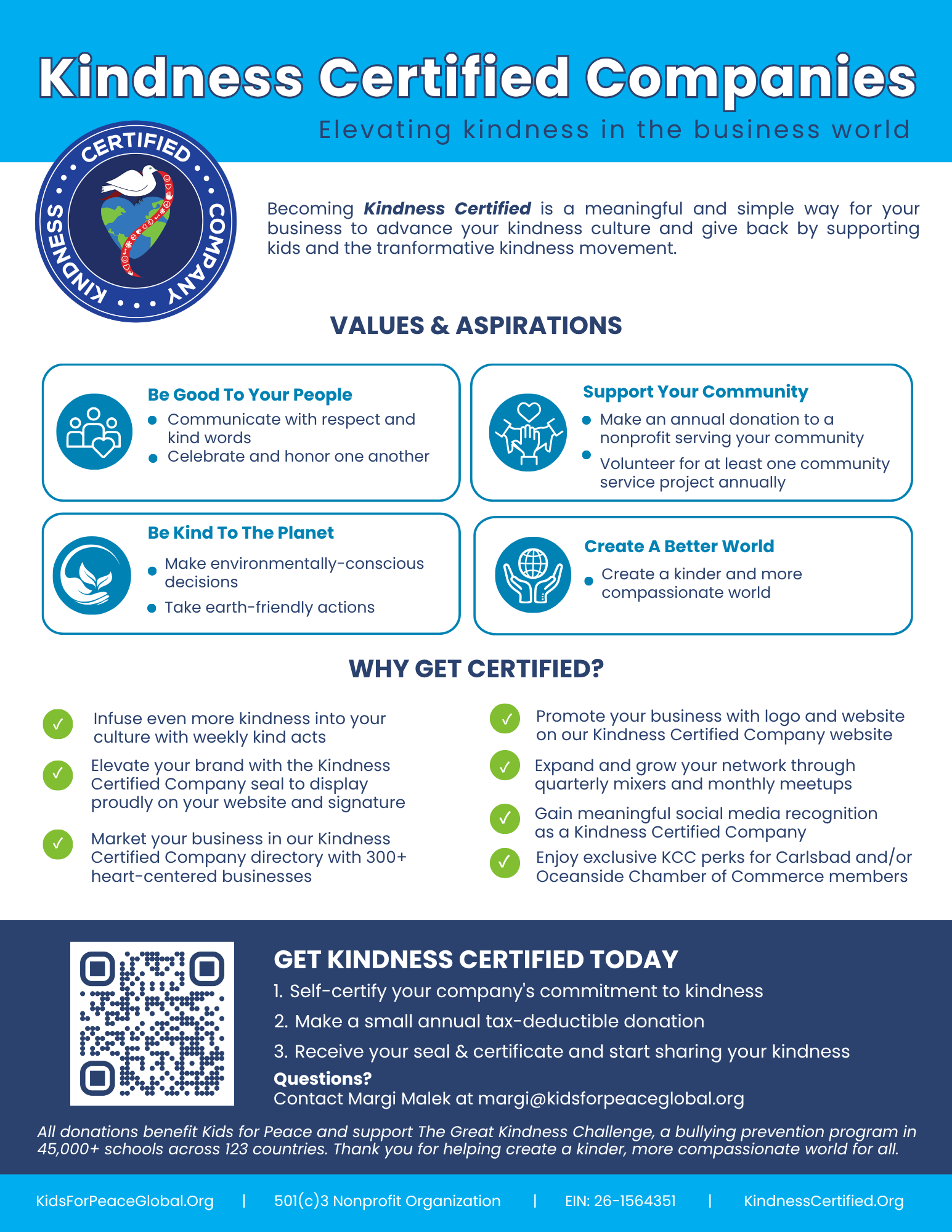
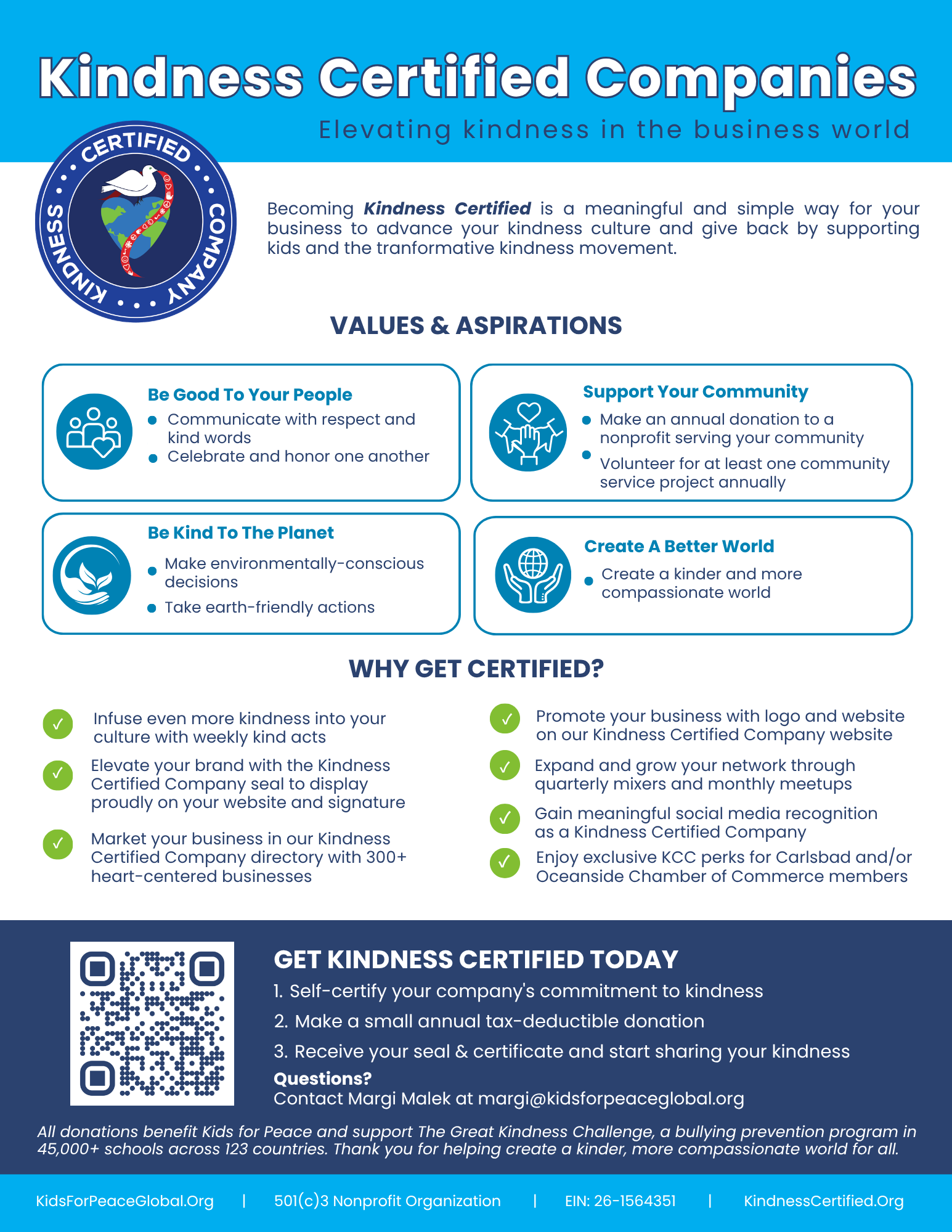
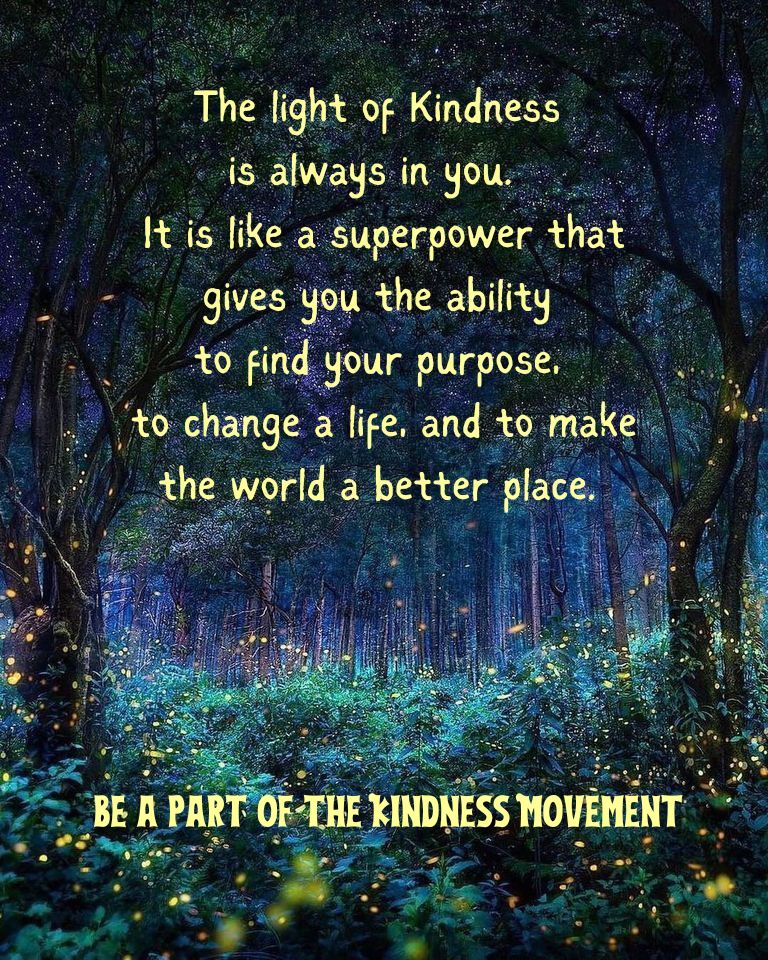
Would you live your values by joining the kindness-certified movement as an individual or an organization, where our goal is 250 new participants as we celebrate the USA’s 250th anniversary?
I get nothing out of this other than the comfort that others genuinely care about a kinder, gentler, more empathetic America
250 Kindness Certfified Company Challenge
“Fly, you fools”- Gandalf
BTW, “I’m a total fool. At least I’m a self-aware fool.”
Genesis – No Reply (Official Music Video)
Until we meet again…
Love,
Neville
Resources and Opportunities to Serve:
San Diego Food System Alliance
Longer Tables San Diego | Humanitix
Welcome Committee — Chamber of Connection
San Diego Rescue Mission | Home | Emergency Housing
harvard research study on being kind or wealthy – Google Search
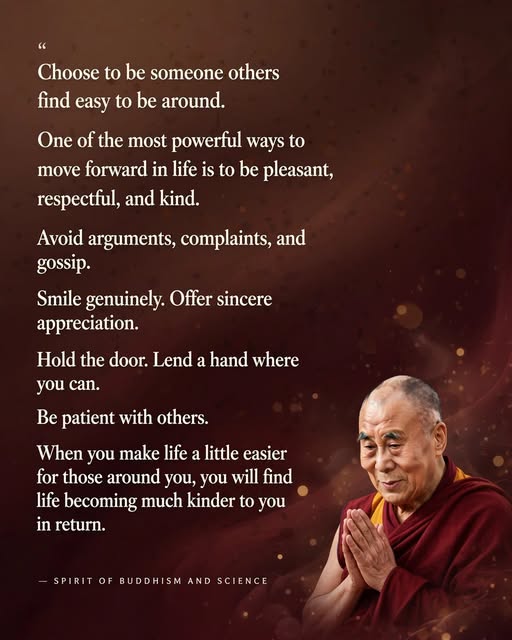
“Be kind whenever possible. It is always possible.” — Dalai Lama