The Incredible Winners of the 2021 International Landscape Photographer of the Year Competition:
Misty valleys and magical woods win prestigious photo contest The judges chose from 4,504 entries, with photographers from the U.S and Turkey claiming medals. Here are the winning shots and shortlist favorites.
This Is The Wildlife Photo of the Year as Chosen by the Public:
An image of a frozen lake and the reflection of willow branches above the water’s icy surface has claimed the top prize in the Wildlife Photographer of the Year People’s Choice Award 2021.
‘I Didn’t Even Know This Was Humanly Possible’: The Woman Who Can Descend Into the Sea On One Breath: Scientists once thought humans could swim to a maximum depth of 30m on a single breath.
Amber Bourke has gone deeper than 70m and physiology alone can’t explain why…
Celebrating the 50th Anniversary of a Song that Transcends Time and Space:
Playing for Change- Song Around The World
“The Weight,” features Ringo Starr and The Band’s original member Robbie Robertson, along with musicians across 5 continents. Great songs can travel everywhere bridging what divides us and inspiring us to see how easily we all get along when the music plays. Take a load off and turn it up!!
How the 1,000-year-old lion dance has moved with the times: Innovations from Chinese communities across the world have created ever-more daring performances, enthralling audiences.
What an Astronaut Could See from Space that Changed Him for Good: This week, gain an astronaut’s perspective of our changing world, spot hybrid camels in ancient artwork, uncover more about the Tonga volcano explosion, spy a beaming celestial lighthouse, and more.
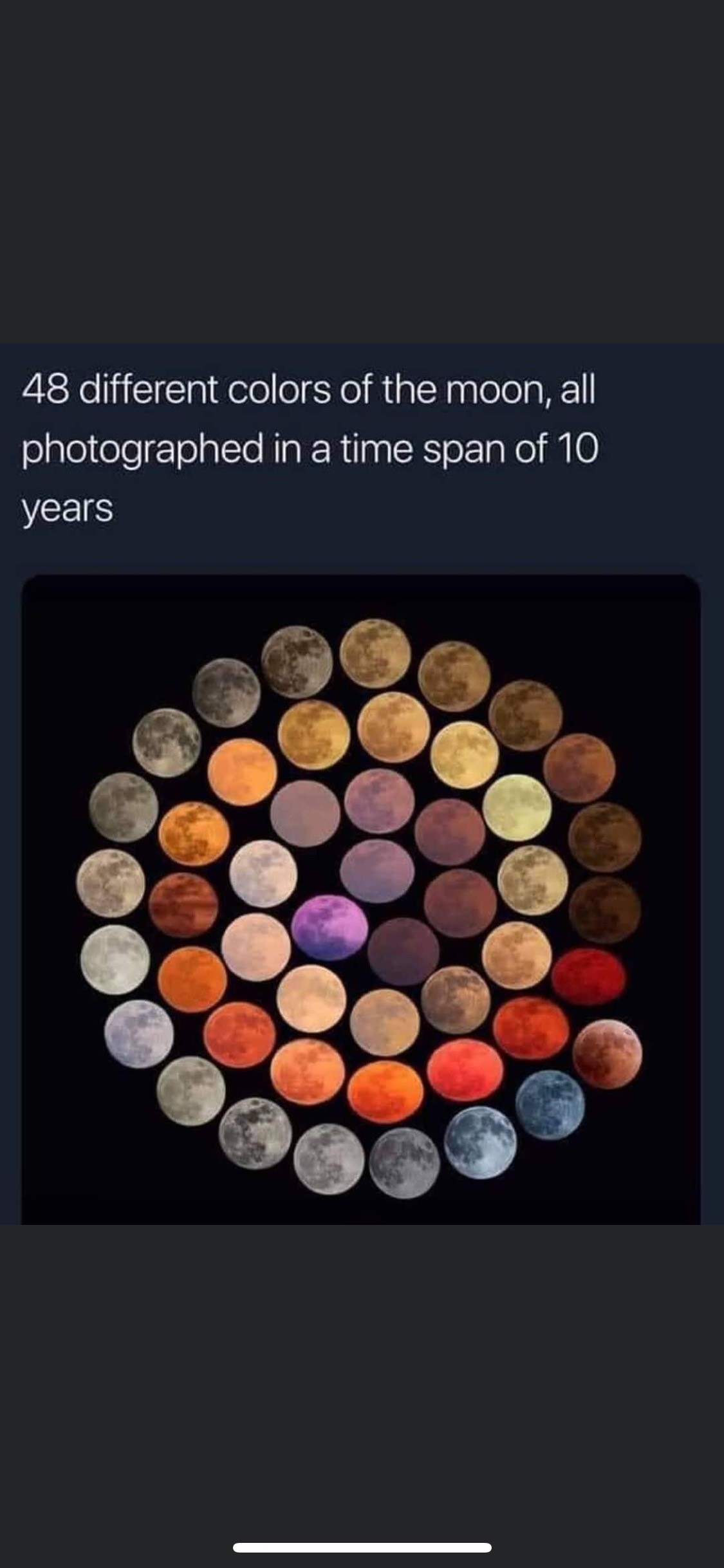
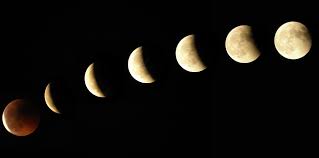
When Is The Next Full Moon? Your Ultimate Guide To 2022’s Full Moons, ‘Super Moons,’ New Moons And ‘Black Moons’ Here’s everything you need to know about our Moon in 2022—from its phases to the dates of full Moons, New Moons, super moons and even a couple of rare total lunar eclipse “blood moons.”
9 Must-see Stargazing Events to Watch in 2022 The year ahead offers many heavenly delights for sky-watchers, including two blood moons, a pair of partial solar eclipses, and multiple planetary meetings.
The Doomsday Clock Reveals How Close We Are To…Doom The clock isn’t designed to definitively measure existential threats, but rather to spark conversations about difficult scientific topics such as climate change, according to the Bulletin of Atomic Scientists, which created the clock in 1947.
The Bad Guys Are Winning If the 20th century was the story of slow, uneven progress toward the victory of liberal democracy over other ideologies—communism, fascism, virulent nationalism—the 21st century is, so far, a story of the reverse.
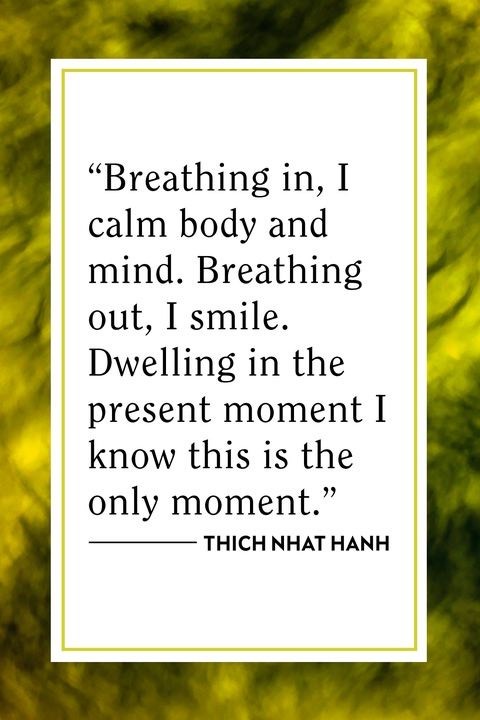
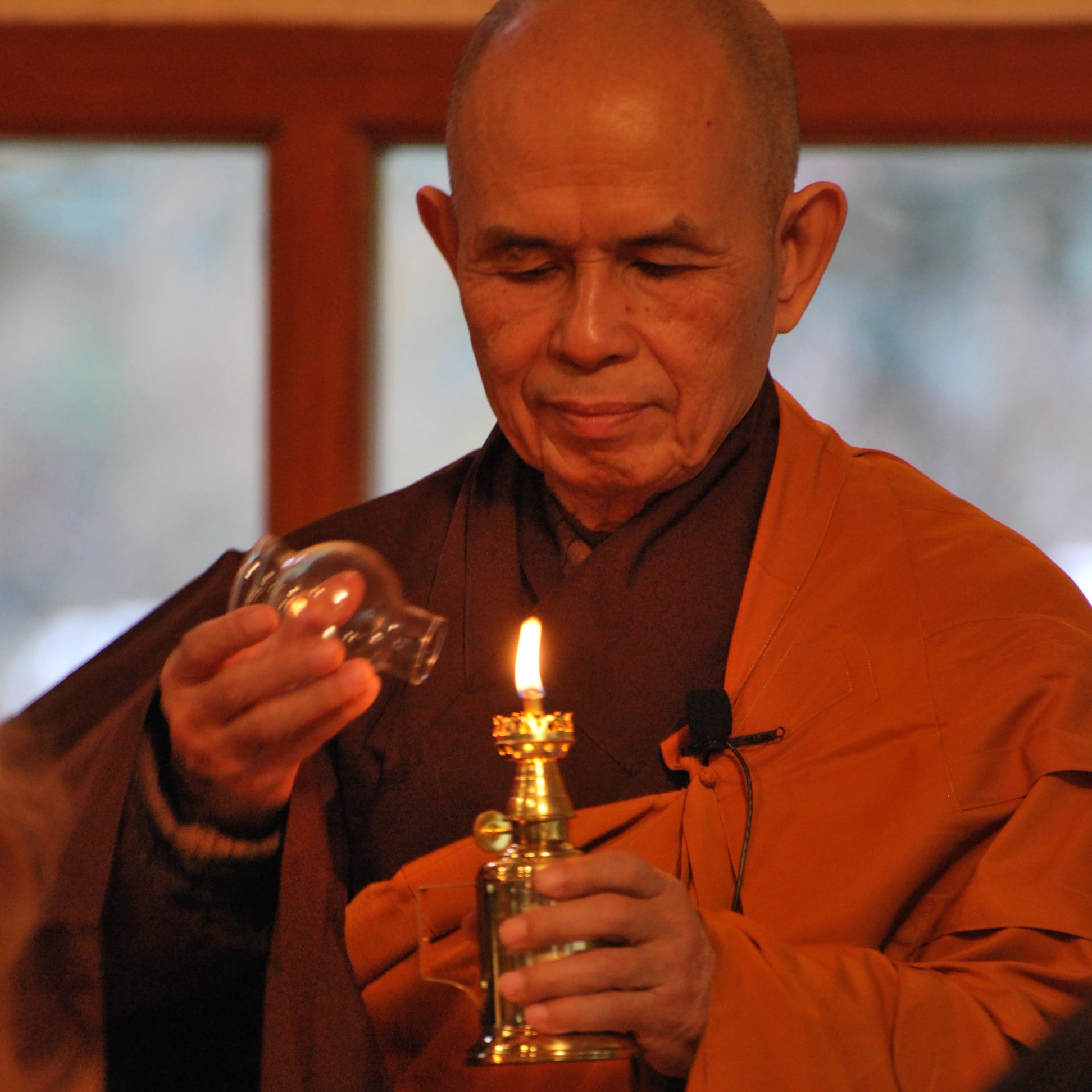
Plum Village, France 10:30pm 21st January, 2022 Dear Beloved Community, With a deep mindful breath, we announce the passing of our beloved teacher, Thay Nhat Hanh, at 00:00hrs on January 22, 2022 at Từ Hiếu Temple in Huế, Vietnam, at the age of 95. Thay has been the most extraordinary teacher, whose peace, tender compassion, and bright wisdom has touched the lives of millions. Whether we have encountered him on retreats, at public talks, or through his books and online teachings–or simply through the story of his incredible life–we can see that Thay has been a true bodhisattva, an immense force for peace and healing in the world. Thay has been a revolutionary, a renewer of Buddhism, never diluting and always digging deep into the roots of Buddhism to bring out its authentic radiance. Thay has opened up a beautiful path of Engaged and Applied Buddhism for all of us: the path of the Five Mindfulness Trainings and the Fourteen Mindfulness Trainings of the Order of Interbeing.
As Thay would say, “Because we have seen the path, we have nothing more to fear.” We know our direction in life, we know what to do, and what not to do to relieve suffering in ourselves, in others, and in the world; and we know the art of stopping, looking deeply, and generating true joy and happiness. Now is a moment to come back to our mindful breathing and walking, to generate the energy of peace, compassion, and gratitude to offer our beloved Teacher.
It is a moment to take refuge in our spiritual friends, our local sanghas and community, and each other. We invite you to join our global community online, as we commemorate Thay’s life and legacy with five days of practice and ceremonies broadcast LIVE from Hue, Vietnam and Plum Village, France, starting on Saturday January 22nd. Please see our website for more details coming shortly: www.plumvillage.org/memorial
Let us each resolve to do our best over the coming days to generate the energy of mindfulness, peace, and compassion, to send to our beloved Teacher. Over the coming hours on the Plum Village website, we will publish some inspirational chants, texts, and mindfulness practice resources, to support you to come together with your local sangha to generate a collective energy of mindfulness and compassion, and create your own ceremony or session in tribute to our Teacher. As Thay has always taught, nothing is more important than brotherhood and sisterhood, and we all know the power of collective energy.
We invite you to share your messages of gratitude or personal transformation and healing on our website: plumvillage.org/gratitude-for-thich-nhat-hanh With love, trust, and togetherness, The Monks and Nuns of Plum Village.
The Thich Nhat Hanh Foundation | 2499 Melru Lane, Escondido, CA 92026
“This body is not me; I am not caught in this body, I am life without boundaries, I have never been born and I have never died.Over there the wide ocean and the sky with many galaxies, All manifests from the basis of consciousness.Since beginningless time I have always been free. Birth and death are only a door through which we go in and out.Birth and death are only a game of hide-and-seek.So smile to me and take my hand and wave good-bye.Tomorrow we shall meet again or even before.We shall always be meeting again at the true source, Always meeting again on the myriad paths of life.” – Thich Nhat Hanh
Learning Leadership from a Great Master Courtesy of Moshe E and the Amare Wave: Last week, Thich Nhat Hanh died peacefully at 95 years old. Thầy, as he was known, was a Zen Master, global spiritual leader, and peace activist, renowned for his powerful teachings on engaged Buddhism and bestselling writings on mindfulness and peace.
Thầy was also a model for modern day leadership, one who made love the center of his being and work. Love-centered leadership (the essence of The Amare Wave) believes, as Thầy did, in promoting nonviolent solutions to conflict and raising awareness of the interconnectedness of all beings.
His passing invites us to clarify our own guiding beliefs and principles. What are your core leadership principles? Are you willing to commit your company to total non-violence? Will you integrate the fact of our interconnectedness into your business vision?
“True self is non-self, the awareness that the self is made only of non-self elements.
There’s no separation between self and other, and everything is interconnected.
Once you are aware of that you are no longer caught in the idea that you are a separate entity.”
– Thich Nhat Hanh
And-
The Profound Power of Nature:
Arizona Monsoons that will reset your state!
Thanks this week go to beloved Master Thay, Moshe E, Killu S, Nicole K, Catherine G and Bob C.
Consider paying it forward…
Love,
Neville
“We will be more successful in all our endeavors if we can let go of the habit of running all the time,
and take little pauses to relax and re-center ourselves.
A young woman went to her mother and told her about her life and how things were so hard for her. She did not know how she was going to make it and wanted to give up. She was tired of fighting and struggling. It seemed that as one problem was solved, a new one arose.
Her mother took her to the kitchen. She filled three pots with water and placed each on a high fire. Soon the pots came to a boil. In the first she placed carrots, in the second she placed eggs, and in the last she placed ground coffee beans. She let them sit and boil, without saying a word.
In about twenty minutes, she turned off the burners. She fished the carrots out and placed them in a bowl. She pulled the eggs out and placed them in a bowl. Then she ladled the coffee out and placed it in a bowl.
Turning to her daughter, she asked, “Tell me, what do you see?” “Carrots, eggs, and coffee,” the daughter replied.
Her mother brought her closer and asked her to feel the carrots. She did and noted that they were soft. The mother then asked the daughter to take an egg and break it. After pulling off the shell, she observed the hard-boiled egg. Finally, the mother asked the daughter to sip the coffee. The daughter smiled as she tasted its rich aroma. The daughter then asked, “What does it mean, mother?”
Her mother explained that each of these objects had faced the same adversity—boiling water. Each reacted differently. The carrot went in strong, hard and unrelenting. However, after being subjected to the boiling water, it softened and became weak. The egg had been fragile. Its thin outer shell had protected its liquid interior, but after sitting through the boiling water, its inside became hardened. The ground coffee beans were unique, however. After they were in the boiling water, they had changed the water.
“Which are you?” she asked her daughter.
“When adversity knocks on your door, how do you respond?
Are you a carrot, an egg or a coffee bean?”
Think of this: Which am I?
Am I the carrot that seems strong, but with pain and adversity do I wilt and become soft and lose my strength?
Am I the egg that starts with a malleable heart, but changes with the heat? Did I have a fluid spirit, but after a death, a breakup, a financial hardship or some other trial, have I become hardened and stiff? Does my shell look the same, but on the inside am I bitter and tough with a stiff spirit and hardened heart?
Or am I like the coffee bean? The bean actually changes the hot water, the very circumstance that brings the pain. When the water gets hot, it releases the fragrance and flavor. If you are like the bean, when things are at their worst, you get better and change the situation around you.
When the hour is darkest and trials are their greatest, do you elevate yourself to another level? How do you handle adversity? Are you a carrot, an egg or a coffee bean?
Here’s my hope for you: May you have enough happiness to make you sweet, enough trials to make you strong, enough sorrow to keep you human, and enough hope to make you happy. The happiest of people don’t necessarily have the best of everything—they just make the most of everything that comes along their way.
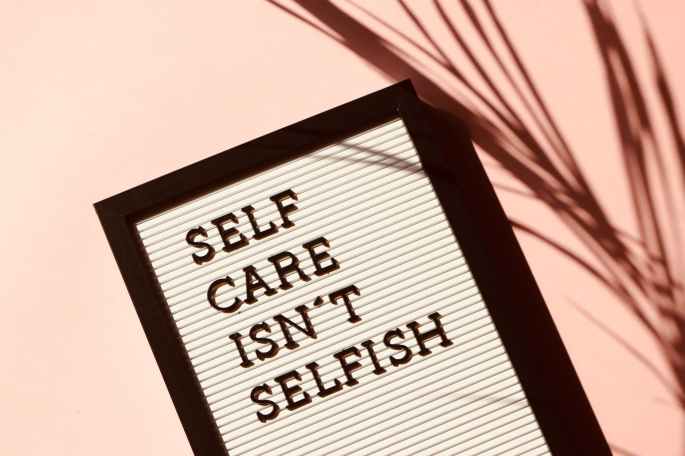
As a business professional, your time and efforts are dedicated to the service of others. “Giving back” is your practice, and you often devote more time taking care of others than yourself. Given all that you have on your plate, you can feel depleted and overwhelmed, finding it challenging to operate at peak performance. Isn’t it time to do something to enhance your life and well-being, which in effect will benefit those you serve? North County Philanthropy Council (NCPC) believes in the importance of balancing self-care with care for others. That’s why we’re offering Mentorship 2.0, Fostering a Community of Practice, a new model of mentoring that brings together business professionals to guide, motivate and support each other. Please Join UsMonday, Feb 8, 20229:00 to 10:30 am on Zoomfor an informational session aboutMentorship 2.0, Fostering a Community of PracticeKen Druck, Ph.D Our information session will feature best-selling author and international expert in mentorship, executive coaching and compassionate self-care, Dr. Ken Druck. Ken will share his thoughts about the magic and power of mentorship, and how we become the best version of ourselves by bringing out the best in others. ATTEND THE INFO SESSIONWhat is Mentorship 2.0? With Mentorship 2.0, you’ll be part of a cohort of 4-7 individuals from our community to brainstorm ideas, identify business resources, develop their networks, explore career opportunities and provide emotional support to each other. Unlike the traditional mentorship model that pairs a more experienced “mentor” with a less experienced “mentee,” Mentorship 2.0, Fostering a Community of Practice, connects leaders at all levels who share a common concern, set of problems or interest in a topic and who come together to fulfill both individual and group goals. It recognizes that our unique experiences are valuable and that collaboration often yields innovative solutions. As a cohort member, you’ll be making a 4-month commitment to the program (March through June 2022). Your group will be expected to meet at least four times during that period (virtual sessions until it is safe to connect in person). The logistics, where to meet and how often to meet – as well as how to measure success, will be decided by the cohort. A member of NCPC’s Mentorship Committee will serve as your group facilitator, providing conversation prompts and guidance, as needed. The relationships that develop and the benefits derived from the experience are entirely up to you and the other group members. We hope you’ll take part in the launch ofMentorship 2.0, Fostering a Community of Practice.REGISTER NOWAttending on Feb 8 is not a commitment or required, but is strongly encouraged.Please register by Feb 1. If you are interested in Mentorship 2.0 but unable to attend the information session, contact Sandra Alston at 760.729.6711 or sandra@ncphilanthropy.org. All the best, Alex Goodman Chair, NCPC Mentorship Committee P.S. Do you have friends or co-workers who you feel will benefit from Mentorship 2.0, too? Feel free to forward this invitation to them. Participation in the Feb 8 meeting is limited to 100 people, so don’t delay.
North County Philanthropy Council | 760-729-6711 | PO Box 1641, Carlsbad, CA 92018
18th Annual Nonprofit Governance Symposium- Jan 27th, 2022:
Wow did I have a BBBAAADDDD Monday. Another cloudy day, my weight went up, some calls didn’t go well, I spent the day telling myself what a terrible leader I am, got slammed by an e-mail where I felt someone was questioning my ability to do my job, and that ended with a friend of mine letting me know that she got COVID and is very afraid. What a day! Ever had one like that?
I woke up this morning thinking – how the heck am I going to be positive for others when I didn’t sleep, I don’t feel like anyone cares or sees how hard I am trying, I can’t do anything to help my friends, and the world is in such a bad place (in other words – pity party in full swing – really more than full swing, kind of like – took over Disneyland, had Beyoncé sing in person, and had a cocktail named after me, kind of over the top pity party).
Then this showed up in my feed…
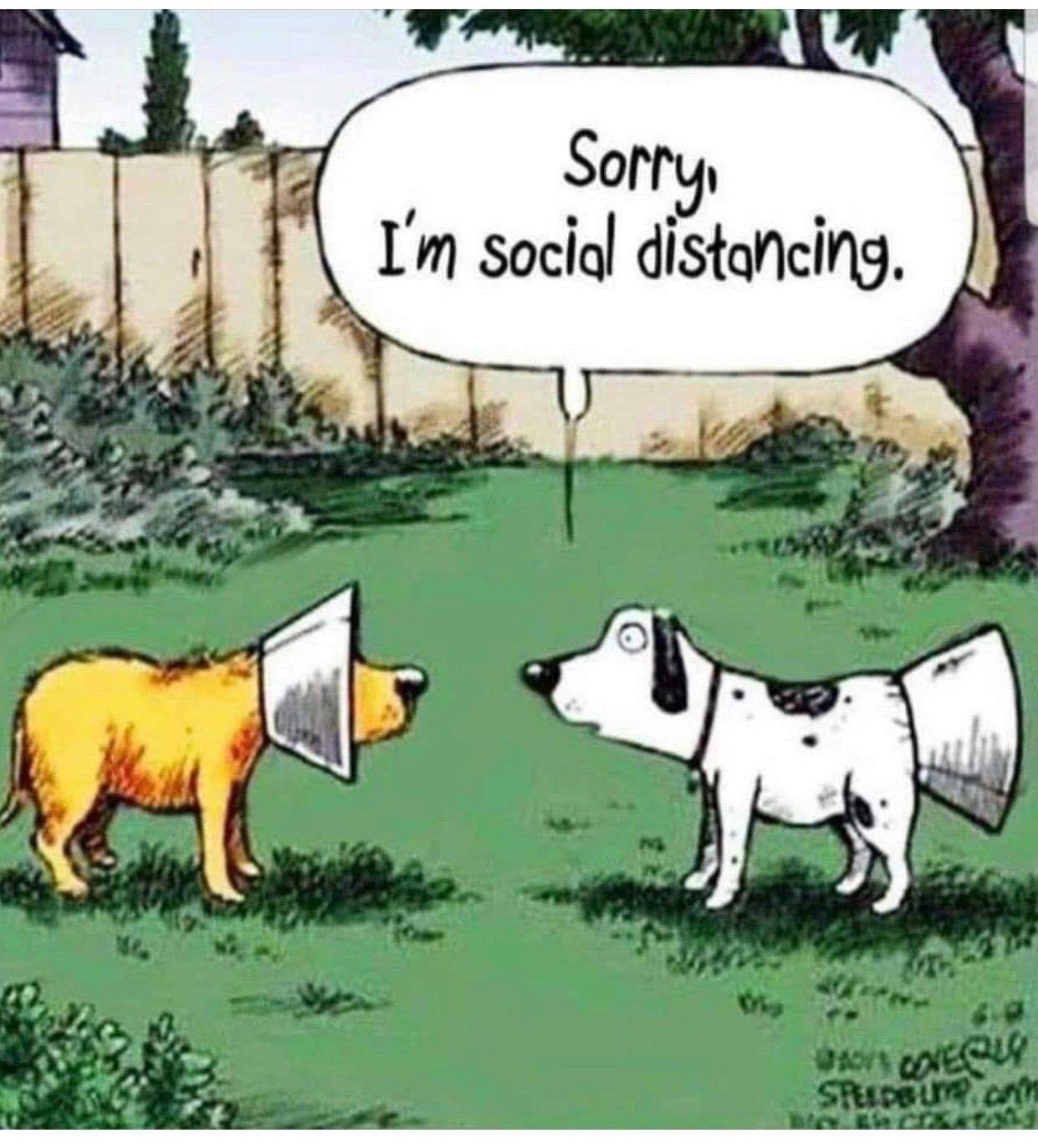
When I saw this, I remembered the story of the Farmer and the Donkey. Thought that maybe some of you may be going through a rough patch as well. If you are, you may benefit from this as well. If you’ve heard it before, well, I know it helped me to read it again. Maybe keep it handy for a time when you feel like you are heading out to your own pity party, or we can have a party together (socially distanced with masks on) and read it to each other. 😊
The Farmer and the Donkey
One day a farmer’s donkey fell down into a well. The animal cried piteously for hours as the farmer tried to figure out what to do. Finally, he decided the animal was old, and the well needed to be covered up anyway-it just wasn’t worth it to retrieve the donkey.
He invited all of his neighbors to come over and help him. They all grabbed a shovel and began to shovel dirt into the well. At first, the donkey realized what was happening and cried horribly. Then, to everyone’s amazement, he quieted down.
A few shovel loads later, the farmer finally looked down the well. He was astonished at what he saw. With each shovel of dirt that hit his back, the donkey was doing something amazing. He would shake it off and take a step up.
As the farmer’s neighbors continued to shovel dirt on top of the animal, he would shake it off and take a step up. Pretty soon, everyone was amazed as the donkey stepped up over the edge of the well and happily trotted off!
Life is going to shovel dirt on you, all kinds of dirt. The trick to getting out of the well is to shake it off and take a step up. Each of our troubles is a stepping stone. We can get out of the deepest wells just by not stopping, never giving up! Shake it off and take a step up.
A MacDonald’s Employee Jumped Through a Window and Saved a Customer. Here’s What Every Leader Can Learn: Sydney Raley, a 15-year-old with autism, likely saved the woman’s life.
5 Lessons on Spirituality, Activism and Humility I Learned From George Harrison George Harrison stood as an example of modesty and humility, and his legacy is one that I think we can all learn from.
“An unhealed person can find offense in pretty much anything someone does.
A healed person understands that the actions of others have nothing to do with them.
Each day you get to decide which one you will be.” – Unknown
18th Annual Nonprofit Governance Symposium Jan 27th 2022 (Virtual):
Please join me at the 18th Annual Nonprofit Governance Symposium on January 27th!
I will be presenting on Leading Consciously with Purpose- Especially During a Pandemic, alongside over 30 local and nationally recognized experts in nonprofit leadership, governance, and more!
First: Getting You In The Mood with the 2021 ANNUAL NEOLOGISM CONTEST
Once again, The Washington Post has published the winning submissions to its yearly contest in which readers are asked to supply alternative meanings for common words.
The winners are:
1. Coffee (N.), the person upon whom one coughs.
2. Flabbergasted (adj.), appalled over how much weight you have gained.
3. Abdicate (V.), to give up all hope of ever having a flat stomach.
4. Esplanade (V.), to attempt an explanation while drunk.
5. Willy-nilly (Adj.), impotent.
6. Negligent (Adj.), describes a condition in which you absentmindedly answer the door in your nightgown.
7. Lymph (V.), to walk with a lisp.
8. Gargoyle (N.), olive-flavored mouthwash.
9. Flatulence (N.) emergency vehicle that picks you up after you are run over by a steamroller.
10. Balderdash (N.), a rapidly receding hairline.
11. Testicle (N.), a humorous question on an exam.
12. Rectitude (N.), the formal, dignified bearing adopted by proctologists.
13. Pokemon (N), a Rastafarian proctologist.
14. Oyster (N.), a person who sprinkles his conversation with Yiddishisms.
15. Frisbeetarianism (N.), (back by popular demand): The belief that, when you die, your Soul flies up onto the roof and gets stuck there.
16. Circumvent (N.), an opening in the front of boxer shorts worn by Jewish men.
This week:
The New Year once started in March—here’s why For starters, January didn’t exist for the ancient Romans. Here’s how their calendar evolved into our modern system of marking time.
7 Small Joys You Should Make Sure to Add to Your Daily Routine in 2022 One of your top priorities for next year should be your own happiness. These tiny pleasures can help.
If We Can’t Come Together on COVID, These Disasters Are Next From climate change to nukes, the world is showing no signs of the cooperation we need to survive.
So How do we Ring in the New Year with a Smile?L’chaim!
It comes courtesy of the phenomenally talented Lin-Manuel Miranda on the occasion of his own wedding back in 2010. Manuel was already a rising musical star but hadn’t hit the stratosphere of fame that would come years later with his musical Hamilton. For this lover of musical theater, there seemed to be no better song to sing to his bride Vanessa than one inspired by a culture and a time far different from his own. Such is the universality of hope, and music. The joy on the faces of everyone involved is impossible to contain!
Happy Soul Food Friday for the last Friday in 2021!
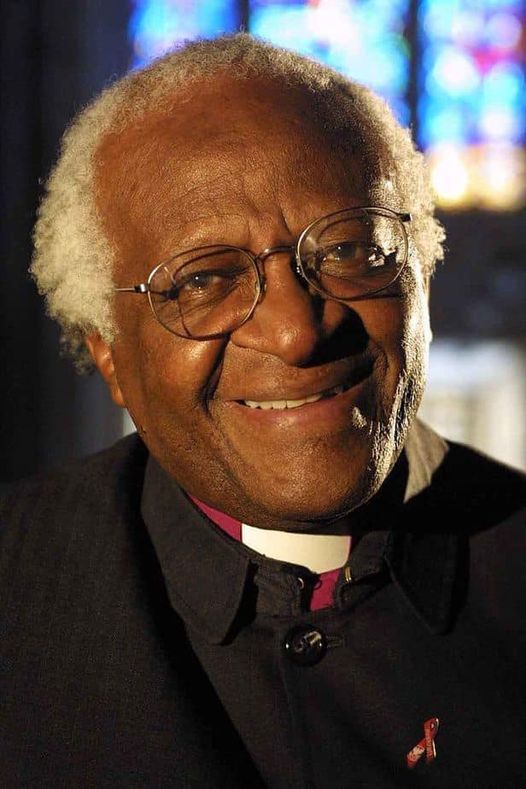
We are made for goodness. We are made for love. We are made for friendliness. We are made for togetherness.
We are made for all of the beautiful things that you and I know. We are made to tell the world that there are no outsiders.
All are welcome: black, white, red, yellow, rich, poor, educated, not educated, male, female, gay, straight, all, all, all.
We all belong to this family, this human family, God’s family.
― Archbishop Desmond Tutu
This week: “Peace on Earth, and Goodwill to All (Hu)Men”
Making Peace with Nature
Christmas Joy and Holiday Cheer Extended
How to Best Prepare for this Next Round of Covid
Making Peace with Nature-
“If you are neutral in situations of injustice, you have chosen the side of the oppressor”
– Archbishop Desmond Tutu
Mobile Film Festival Awards: 1001 Ways to ‘Make Peace with Nature’: The Jury for the 2021 Mobile Film Festival has announced the 12 winners of this year’s edition within the challenging theme “Making Peace with Nature”. Three of the winners were from Iran and two from France.
From the high snowy peaks of Bhutan, to parched, rocky terrain in Iran or the inside of a cow’s stomach, the entries in competition are eye-opening to say the least. Although some take a humorous or satirical angle, most act as wake-up calls, showing a glimpse of a dark future which awaits future generations if humanity doesn’t act to save the planet now.
The Mobile Film Festival concept, now in its 17th year, is based on making a 1 minute film using a mobile phone, adhering to a chosen theme. Organizers say this allows for maximum creativity without expensive equipment. Obviously organizers had their hands full combing through nearly 700 entries from 92 countries received this year, whittling the choice down to just 50 films from 34 countries in the final selection, with only 12 winners.
The African Wildlife Foundation is Using Photography to Inspire the Next Generation of Conservationists with the African Wildlife Foundation’s Inaugural Benjamin Mkapa African Wildlife Photography Awards:
The competition, named after the late Tanzanian president and longtime AWF board member, hopes to encourage African people to take a more active role in conservation. After all, as CEO Kaddu Sebunya said, all of this beauty and life is part of their heritage.
A man strung Christmas lights from his home to his neighbor’s to support her. The whole community followed. “Little by little, the whole neighborhood started doing it,” said Kim Morton.
You might get a breakthrough case of Covid-19 this winter.
Here’s how to prepare:
If you’re hoping for the best but still want to plan for the worst, there are things you can do now.
As case numbers increase in the US and a new variant of concern circulates, it’s hard to feel optimistic about our upcoming Covid-19 season. Among people who are vaccinated and who have been fairly cautious thus far, a dark feeling of inevitability may be beginning to settle in — a sense that even if you’ve avoided the coronavirus until now, that might not hold through the winter.
While it can be anxiety-inducing to see a cluster of storm clouds gathering and know there’s a very good chance you’re in their direct path, there is still time to do a bit of weatherproofing, so to speak — or at least put on a raincoat and grab an umbrella, so that you’re not caught totally off guard when it starts to pour.
Being prepared for a Covid-19 infection in your household is just plain practical. Even if omicron turns out to be less dangerous than previous variants, the US is also still looking at its first winter with delta, which we know is highly transmissible compared to last winter’s dominant Covid-19 variant. This means people who have tested positive or are symptomatic and waiting for PCR test results need to be especially prepared to tend to their illness without leaving the house, reducing the likelihood of infecting others. Keep in mind that underserved groups are likely to bear the burden of this and future phases of the pandemic; even if you have a case that feels truly mild, it’s still crucial to do your part to mitigate exposure and keep the pandemic from worsening.
It’s also wise to get physically and mentally ready on a personal level. During uncertain times, it can be helpful to gain some small semblance of control. While we wait to learn more about omicron, doing something lightly productive — even just restocking your now-expired cold meds — can offset feelings of powerlessness or anxiety you may be experiencing.
Lastly, getting a positive diagnosis can be unmooring, even if you’re vaccinated and not afraid of a scary outcome. You might feel mostly okay physically, but it’s unlikely you’ll want to do a ton of research or make a lot of decisions in that moment. The more time you can spend resting and healing — versus, say, trying to find the most up-to-date info on testing and treatments — the better.
If you’re hoping for the best but still want to plan for the worst, here’s advice from one health expert on what you can do right now.
Make a plan for how and where you’ll get tested if you have symptoms or an exposure
“It’s really important for people to get tested, because it’s really hard to differentiate between seasonal flu, Covid, or just a regular cold,” says Syra Madad, the senior director of system-wide special pathogens for NYC Health + Hospitals. “There are a lot of overlapping signs and symptoms, and they’re nonspecific. You can have a fever, cough, or runny nose with any of those three.”
Depending on how you’ve been utilizing testing thus far, you may not have put much thought into how or where you’ll get tested if you start showing symptoms or if you need results ASAP. (According to the CDC, vaccinated people should get tested five to seven days after an exposure or as soon as symptoms develop. Be aware, however, that omicron may have a quicker onset than other variants.)
It’s wise to figure out a testing plan now, including at-home and lab tests, when you’re presumably healthy. Determine the closest testing site(s) to you and how you’ll get there if you need a lab test; ideally, you’d avoid public transportation and ride-sharing services, but if that’s not possible, think about what you might do to minimize the risk to other people. Also make note of the testing site’s hours, whether it’s open on weekends, and whether it’s walk-in only or if you can make an appointment.
Know that getting tested when you know there’s a fairly high probability that you have Covid-19 — versus getting tested as a formality or prophylactically — can be a stressful experience. In those moments, you’re likely going to want your results quickly. So you may also want to figure out where you’ll be able to get a rapid PCR test near you, if available, and add that to the “Covid dossier” (a.k.a. Google Doc) you’re building out. As Vox has previously reported, it’s also a good idea to stock up on rapid at-home antigen tests.
It can be difficult to think of yourself as contagious, especially when you feel great or just “not that sick.” But it’s important to internalize the reality that, at any point, you could unwittingly pose a much bigger threat to others than you realize. That means taking extra precautions to protect your community, especially if you’ve gotten a little lax about this since getting vaccinated.
“No one wants to experience a breakthrough infection,” Madad says. “We know that even fully vaccinated people can transmit the virus, obviously at a lower extent, to fully vaccinated individuals. I think that’s really important for people to understand. It’s not just about you. I know here in America, it’s a lot about me, me, me, but we need to make sure we’re also looking at we, collectively.”
The best mask is one that fits, so make sure yours does, and think about replacing your cloth masks with N95, KN95, or surgical masks. If you want to stick with cloth, consider whether it’s time to replace your current supply. (Vox reported in September 2020 that a cloth mask likely needs to be replaced after 100 rounds in the washer or 50 in the dryer because the fabric will start to break down and become more porous.)
Determine who will be your main source of medical care if you get sick
A lot of people in the US simply don’t have a primary care provider they see regularly — even people who are insured. That’s a tough spot to be in when you’re sick and everything you’re reading is telling you to “talk to your doctor” about symptoms, and treatments.
“I would definitely encourage people to make sure that they have a primary care physician,” Madad says. Of course, many people don’t, and can’t, for a slew of structural and systemic reasons. Madad says she’d like to see more centralized hotlines that people can call about symptoms, for guidance on what types of treatments (like monoclonal antibodies) they might qualify for, and to know whether or not to go to the hospital. Until that happens, the best thing for you personally to do is to spend some time on your public health department’s website and the nearest public hospital’s website to find additional resources and information about free or low-cost telehealth options.
If you do have the resources to get a primary health care provider and have simply been procrastinating doing the research to find one, make that a priority in the next couple of weeks. The good news is that the advent of telehealth means this might be considerably easier, since you won’t need to worry as much about the doctor being a long car or bus ride away.
Have a plan for how you’ll isolate if you test positive
The Covid-19 vaccines are so effective at reducing hospitalization and death that it’s possible to start to feel like we’re post-pandemic or that getting Covid-19 is no big deal. It might not be a death sentence if you’re young, vaccinated, and generally healthy, but it’s still not the same as, say, getting a cold (even if it literally feels like you just have a cold). Plus, plenty of people are simply not young or generally healthy and very much want to avoid getting Covid-19 entirely. Which is all to say: It’s important to take isolation seriously.
With that in mind, take some time to familiarize yourself with the current CDC recommendations for the Covid-positive. Plan that, per current recommendations, you’ll likely need to be at home for 10 days — and not just mostly at home, but literally not leaving your home, except to get medical care, for 10 days. (Also keep in mind the current guidance could change with omicron.) Here are some other things to think about:
Are there any steps you could take to mitigate spread to family members or housemates? For example, can you confine yourself to one room or even one floor? If you live in an apartment, does it make sense to buy an air purifier and a couple of fans to help with ventilation? Madad also pointed to New York City’s free hotel program for people and/or families who need to isolate. Not all cities will have options like this, of course, but it’s absolutely worth knowing that ahead of time.
If you have young kids, what might you do in terms of child care if you have to self-isolate and can’t send your kid to day care or school?
How might you get food and medicine if you can’t leave the house? Do any drug stores or grocery stores near your home offer delivery? Are there any local mutual aid groups you can join now, in case you need a supply drop-off from a neighbor later?
What is your workplace’s sick leave or PTO policy and how will that affect you, especially if you’re employed outside the house? Even companies with generous leave policies might require you to take short-term disability if you need to use more than five days of sick leave in a row, which is not something you want to learn for the first time mere hours after a Covid-19 diagnosis.
If you live in an apartment and have a dog you need to take outside, who could pick up your pet and watch it while you isolate?
The answer to some of these questions might be, “Well, I guess I’m screwed!” which absolutely does not represent a moral failing on your part. But facing the bleak reality that things like sick leave and child care in the US are not built for a pandemic (or for a non-pandemic, to be frank) is a tiny bit easier and less overwhelming when you’re feeling relatively healthy.
Stock up on essentials
One thing that will make it massively easier to isolate and to focus on getting better is a well-stocked medicine chest and pantry.
To tend to your symptoms, you’ll likely want to have a variety of cold and cough medicines, pain relievers and fever reducers (like acetaminophen and ibuprofen), cough drops, a thermometer, and a few boxes of tissues. Madad says a pulse oximeter to monitor changes in your oxygen levels also isn’t a bad idea, though the reliability of this tool varies somewhat, especially for those with dark skin. Think about what you like to eat when you’re sick and/or don’t have much appetite (jello, popsicles, instant ramen, soup, etc.) and consider bulking up your grocery list for a few weeks with pantry staples and freezer meals for the benefit of Future You.
For extra credit, here are two items that unexpectedly made my own bout of Covid-19 much easier: a big water bottle with a straw (like this), which made it much easier to stay hydrated, and a small trash receptacle to put next to the bed or couch, because having a runny nose and taking lots of individually wrapped cold meds generates a ton of trash, which quickly takes over your nightstand and adds to the generally rotten vibe of having a respiratory illness.
Mentally prepare for how much rest you’ll need when you’re sick
One of the big benefits of planning ahead like this is that it’ll make it easier to do nothing after you’ve tested positive — something that is critical to the healing process.
During the mild case of Covid-19 I had last January, I immediately took time off work, but I didn’t totally understand what it means to truly rest, in the doctor-prescribed sense. I thought I could do light chores if I felt mostly up to them, for example, or read a book. I even, somewhat inexplicably, set my alarm for a normal wake-up time every morning, like it was an average weekend instead of … time off to deal with the respiratory illness I’d spent a year avoiding. It took me a few days to accept that doing anything but lying down and watching TV was draining, and even if I felt okay in the moment, I’d pay for it by feeling awful in the hours that followed. If you’ve been healthy your whole life, it can be difficult to comprehend how physically wiped you might feel after doing your typical version of “doing nothing.”
“We want to give our bodies time to recover,” Madad says. “You’re not going to get that healing time or recovery time if you’re going to constantly be active and on your feet and doing things that we do on a daily basis. I know so many of us live active lives, and to just stay in bed is something that’s really hard for many of us. But it’s really important.” And know that if you can’t take it easy — because, say, your boss expects you to get back to work or you have to take care of your kids, or both — it might take you longer to feel like yourself again. “If you are not giving that time to your body, then it probably will take longer for you to deal with Covid,” Madad says.
Pick up the phone if/when the health department calls you
If you’re not one to answer phone calls from unknown numbers, consider making an exception in the days following your positive test — it could very well be the local health department getting in touch. Depending on where you live, they could be calling to get your help with contact tracing, or they might want to ask you some questions about your symptoms, answer any questions you have, and provide you with important info and resources. (On the other hand, Madad says a lot of states are currently overwhelmed, so you may not get a call at all.)
Madad says that people might feel hesitant to share their friends’ or coworkers’ personal information with the health department, but stresses that contact tracing is still a critical piece of preventing future outbreaks. “Oftentimes, I hear, ‘I’m not going to give out my personal information,’ or ‘I’m not going to give information of who I have been in contact with because it’s none of their business,’” she says. “But, again, I would look at it as a form of community service. If you get that call, give that information, because their goal is to end this pandemic. By giving that information, you’re contributing to helping reduce the spread of this virus, which ultimately will help end this pandemic eventually.”
Be ready to feel a wave of emotions
Even if you’ve told yourself you’ll likely get Covid-19 eventually and it’s probably not a big deal, it’s still totally reasonable to feel overwhelmed and upset by a positive test. (It’s also completely reasonable to think it is a very big deal, and to feel afraid.) “It’s okay to be concerned, it’s okay to have those types of feelings,” Madad says. “No one wants to experience illness of any kind, whether we’re talking about Covid-19 or any type of a virus — no one wants to get sick. That’s not a condition that anybody wants to experience, especially when you talk about a variant that we’re still learning more about.”
It’s also very normal to feel a sense of shame or guilt, but Madad says it’s important to not let those feelings stop you from taking necessary steps to protect others. “Regardless of how you got infected, you want to do the right thing in terms of preventing other people from getting sick and contributing to that community transmission that is happening,” she says. That means telling close contacts they need to get tested and taking isolation seriously. “I think there should be no shame, no embarrassment,” Madad says. “You’re doing community service — you’re letting people know to protect themselves, because you’re infected, and you want to make sure that you’re staying away from them.”
Wishing you and yours a safe New Year and a much better 2022!
Thanks for this week’s submissions go to Chris B, Eric K & Kurt C.
Thanks for sustenance all year go to The Conscious leaders group, Bright Lights, the Mission Fed team, Aoinagi Karate @UCSD, The Future Design Society, All our educational partners, NCPC and All our nonprofit & philanthropic partners, the UC San Diego gang, our extended family-biological or otherwise- All that contributed to Soul Food Friday this year, as well as to each and every one of you for reading, caring, and paying it forward!
We are better together!
Love All,
Neville
PS. Ideas for Soul Food next year or interested in submitting your own inspirational or heart-opening content? Ping me!
Really? A Cloud Avalanche? This “cloud avalanche” occurred near the Kapuche Glacier Lake in the mountains of Nepal this year. At that time, a group of travel companions were camping by the lake, and they took the risk of taking pictures of this rare visual feast. The white snow clouds rushed down the valley, unstoppable, instantly swallowing the mountains and hitting the lake surface.
Rita Moreno speaks with Bill Whitaker about the turmoil she went through early in her career, her 1961 portrayal of Anita in “West Side Story”, and her new role in Steven Spielberg’s upcoming adaptation of the Broadway classic:
Make-A-Wish asks boy with a critical illness what he wants. ‘Feed the homeless,’ he says. Abraham Olagbegi, 13, asked Make-A-Wish to feed homeless people once a month in his hometown of Jackson, Mississippi.
Miniature Horse and Great Dane Bond Over Their Similar Size and Spots, and Become Best Friends Skye the Great Dane and Hot Fudge Sundae the mini horse became friends fast after meeting at their owner’s farm in Texas
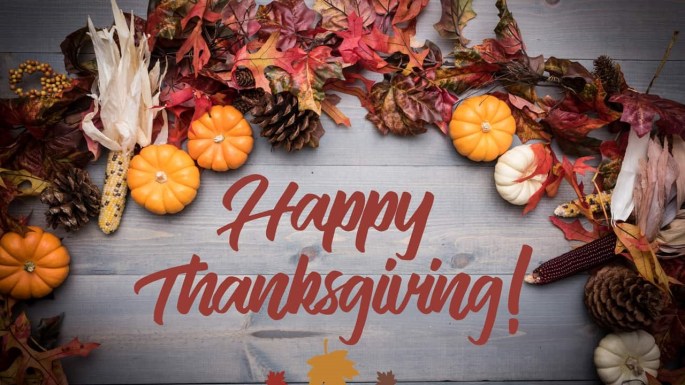
This week: May Your World Be Full of Both Thanks & Giving!
Speaking of giving, first, thanks to all of you that supported last week’s campaign for Hunger & Homelessness Awareness Week.
Together we raised $111,851 in support of these critical issues facing our community.
“Gratitude turns what we have into enough”:
Gratitude is simply giving thanks for the people and things in your life. Here are the ways gratitude can benefit you:1
Lower your risk of major depression, anxiety, phobias and substance misuse
Help you sleep better
Lower your stress
Gratitude can transform you in the moment. Simply think of three things you are thankful for. For example, “I’m thankful for coffee and I enjoy a cup each morning. Or, “I’m thankful for the beautiful sunset each day. When we think about things we’re thankful for, it focuses our mind on a comforting thought. The brain responds with pleasant signals throughout the body. When this happens, you can stop stress in its path. That’s something worth giving thanks for too.
The Surprising Benefits of Gratitude:
When facing as much uncertainty as we have over the last year, resilience comes to mind as an increasingly critical skill. Resilience enables us to remain optimistic amidst disruption and destabilization. But what effect does focusing on the positive have on resilience?
Instead of Asking What Are You Thankful For? This Year, Try This Every year millions of people sit around holiday tables and say what they are thankful for.
That’s great, but here is a proactive question to make the world a little better.
How to Express Your Gratitude (Without Feeling Awkward) YOU MAY ALREADY have a regular gratitude practice—mentally savoring sunsets and other everyday wonders, or even journaling about your many blessings. But when it comes to communicating your heartfelt appreciation to others, it can feel, well, kind of awkward. What if they get embarrassed—or they think you’re sucking up? What if you start gushing and come off as insincere?
And Last But Certainly Not Least, Be Grateful for our Tiny Blue Planet:
Many moons ago, a NASA space mission was leaving the solar system when, at the request of Carl Sagan, it was commanded by NASA to turn its camera around and take a last series of photos of Earth across a great expanse of space. The attached video’s accompanying words spoken by Carl Sagan are even more relevant and moving today.










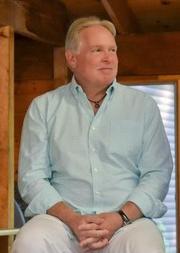 Ken Druck, Ph.D Our information session will feature best-selling author and international expert in mentorship, executive coaching and compassionate self-care, Dr. Ken Druck. Ken will share his thoughts about the magic and power of mentorship, and how we become the best version of ourselves by bringing out the best in others.










 Happy Soul Food Friday!