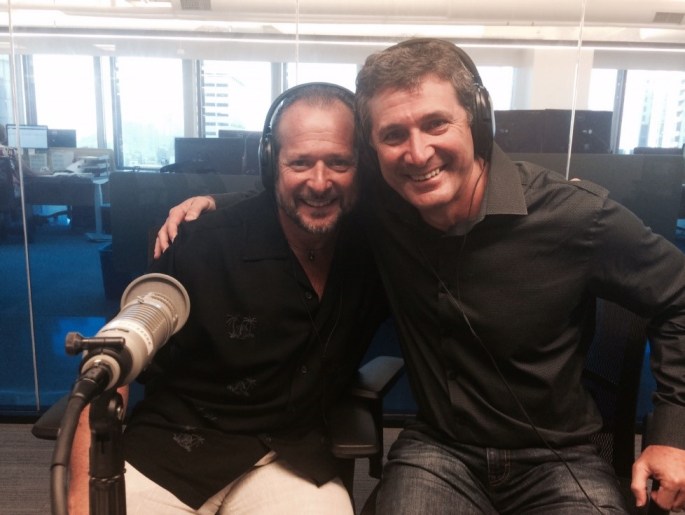
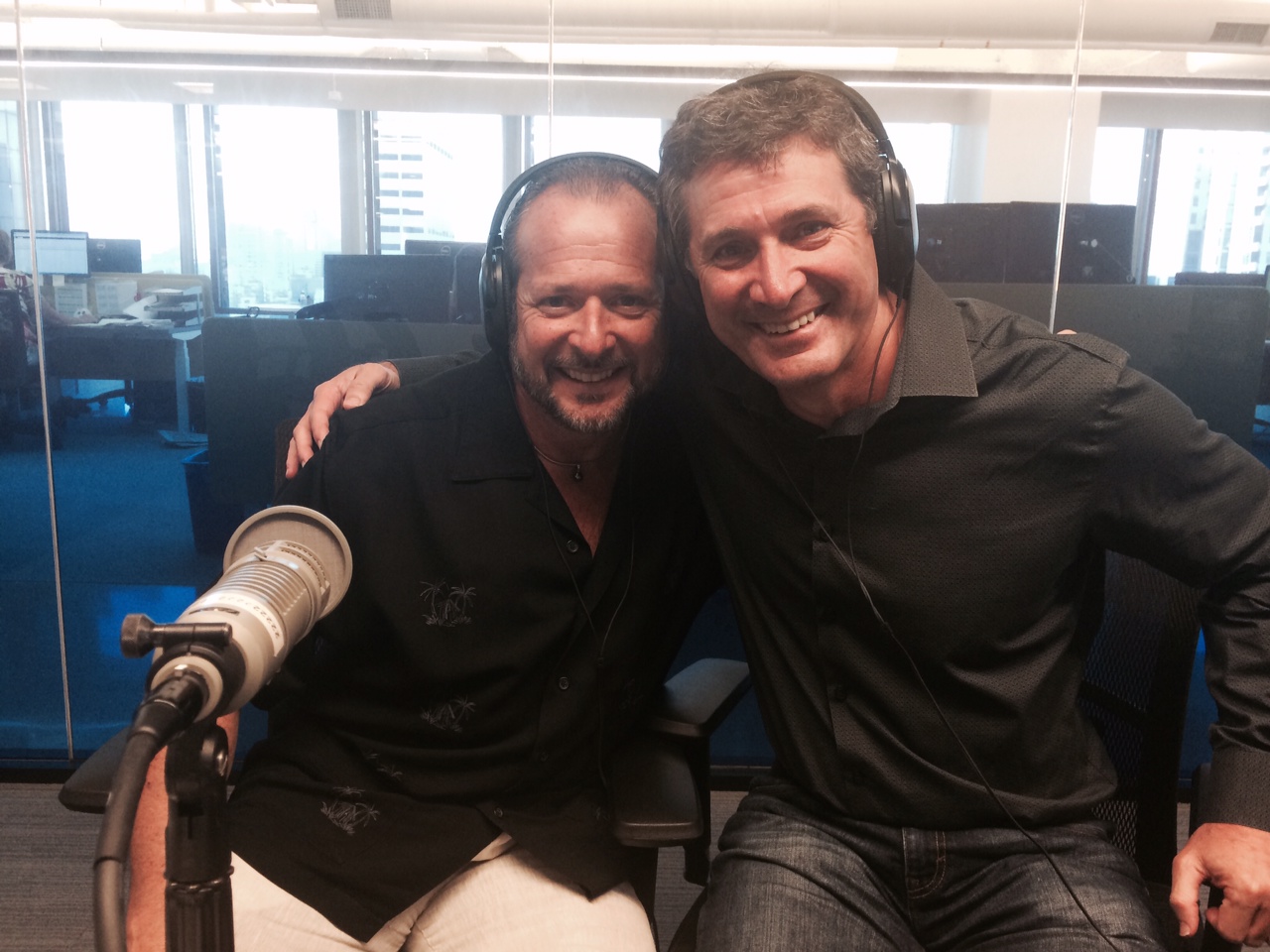
Dave Grohl performs with Nandi Bushell, 11, at Foo Fighters Gig:
An 11-year-old girl said being invited on stage to perform with the Foo Fighters was the “best night” of her life. Nandi Bushell challenged the band’s lead singer Dave Grohl to a “drum off” over social media in 2020, with the pair exchanging videos. Nandi, who began drumming aged five, joined the Grammy Award-winners on stage in Los Angeles on Thursday to play their song Everlong. John Bushell, her dad, said his daughter “just has this massive love and passion for drumming and music”.
The 42 finalists in this year’s Comedy Wildlife Photography Awards have been announced, each one showing anthropomorphic expressions from the animal kingdom:
Your Soul Food for Friday August 27 2021: Indigenous Wisdom for Our Times and the Transformative Power of Art (Music)
Happy Soul Food Friday!
This week:
Indigenous Wisdom
Hopi Indian Chief White Eagle’s comments on our current situation:
′′ This moment humanity is experiencing can be seen as a door or a hole. The decision to fall in the hole or walk through the door is up to you. If you consume the news 24 hours a day, with negative energy, constantly nervous, with pessimism, you will fall into this hole.
But if you take the opportunity to look at yourself, to rethink life and death, to take care of yourself and others, then you will walk through the portal.
Take care of your home, take care of your body. Connect with your spiritual home. When you take care of yourself, you take care of everyone at the same time.
Do not underestimate the spiritual dimension of this crisis. Take the perspective of an eagle that sees everything from above with a broader view. There is a social question in this crisis, but also a spiritual question. The two go hand in hand.
Without the social dimension we fall into fanaticism. Without the spiritual dimension, we fall into pessimism and futility.
Are you ready to face this crisis. Grab your toolbox and use all the tools at your disposal.
Learn resistance from the example of Indian and African peoples: we have been and are exterminated. But we never stopped singing, dancing, lighting a fire and rejoicing.
Don’t feel guilty for feeling blessed in these troubled times. Being sad or angry doesn’t help at all. Resistance is resistance through joy!
You have the right to be strong and positive. And there’s no other way to do it than to maintain a beautiful, happy, bright posture.
Has nothing to do with alienation (ignorance of the world). It’s a resistance strategy.
When we cross the threshold, we have a new worldview because we faced our fears and difficulties. This is all you can do now:
– Serenity in the storm
– Keep calm, pray everyday
– Make a habit of meeting the sacred everyday.
Show resistance through art, joy, trust and love.
Hopi Indian Chief White Eagle
July 2021
Welcome address to freshman parents at Boston Conservatory
given by Karl Paulnack, pianist and director of music division at Boston Conservatory
“One of my parents’ deepest fears, I suspect, is that society would not properly value me as a musician, that I wouldn’t be appreciated.
I had very good grades in high school, I was good in science and math, and they imagined that as a doctor or a research chemist or an engineer, I might be more appreciated than I would be as a musician.
I still remember my mother’s remark when I announced my decision to apply to music school-she said, “you’re WASTING your SAT scores.” On some level, I think, my parents were not sure themselves what the value of music was, what its purpose was.
And they LOVED music, they listened to classical music all the time. They just weren’t really clear about its function.
So let me talk about that a little bit, because we live in a society that puts music in the “arts and entertainment” section of the newspaper, and serious music, the kind your kids are about to engage in, has absolutely nothing whatsoever to do with entertainment, in fact it’s the opposite of entertainment.
Let me talk a little bit about music, and how it works. The first people to understand how music really works were the ancient Greeks.
And this is going to fascinate you; the Greeks said that music and astronomy were two sides of the same coin.
Astronomy was seen as the study of relationships between observable, permanent, external objects, and music was seen as the study of relationships between invisible, internal, hidden objects.
Music has a way of finding the big, invisible moving pieces inside our hearts and souls and helping us figure out the position of things inside us.
Let me give you some examples of how this works. One of the most profound musical compositions of all time is the Quartet for the End of Time written by French composer Olivier Messiaen in 1940.
Messiaen was 31 years old when France entered the war against Nazi Germany. He was captured by the Germans in June of 1940, sent across Germany in a cattle car and imprisoned in a concentration camp. He was fortunate to find a sympathetic prison guard who gave him paper and a place to compose. There were three other musicians in the camp, a cellist, a violinist, and a clarinetist, and Messiaen wrote his quartet with these specific players in mind. It was performed in January 1941 for four thousand prisoners and guards in the prison camp.
Today it is one of the most famous masterworks in the repertoire. Given what we have since learned about life in the concentration camps, why would anyone in his right mind waste time and energy writing or playing music? There was barely enough energy on a good day to find food and water, to avoid a beating, to stay warm, to escape torture – why would anyone bother with music?
And yet – from the camps, we have poetry, we have music, we have visual art; it wasn’t just this one fanatic Messiaen; many, many people created art.
Why? Well, in a place where people are only focused on survival, on the bare necessities, the obvious conclusion is that art must be, somehow, essential for life.
The camps were without money, without hope, without commerce, without recreation, without basic respect, but they were not without art.
Art is part of survival; art is part of the human spirit, an unquenchable expression of who we are.
Art is one of the ways in which we say, “I am alive, and my life has meaning.”
On September 12, 2001 I was a resident of Manhattan. That morning I reached a new understanding of my art and its relationship to the world. I sat down at the piano that morning at 10 AM to practice as was my daily routine; I did it by force of habit, without thinking about it. I lifted the cover on the keyboard, and opened my music, and put my hands on the keys and took my hands off the keys. And I sat there and thought, does this even matter?
Isn’t this completely irrelevant? Playing the piano right now, given what happened in this city yesterday, seems silly, absurd, irreverent, pointless. Why am I here? What place has a musician in this moment in time? Who needs a piano player right now? I was completely lost. And then I, along with the rest of New York, went through the journey of getting through that week. I did not play the piano that day, and in fact I contemplated briefly whether I would ever want to play the piano again. And then I observed how we got through the day. At least in my neighborhood, we didn’t shoot hoops or play Scrabble. We didn’t play cards to pass the time, we didn’t watch TV, we didn’t shop, we most certainly did not go to the mall.
The first organized activity that I saw in New York, that same day, was singing. People sang. People sang around fire houses, people sang “We Shall Overcome”. Lots of people sang America the Beautiful. The first organized public event that I remember was the Brahms Requiem, later that week, at Lincoln Center, with the New York Philharmonic.
The first organized public expression of grief, our first communal response to that historic event, was a concert. That was the beginning of a sense that life might go on.
The US Military secured the airspace, but recovery was led by the arts, and by music in particular, that very night.
From these two experiences, I have come to understand that music is not part of “arts and entertainment” as the newspaper section would have us believe. It’s not a luxury, a lavish thing that we fund from leftovers of our budgets, not a plaything or an amusement or a pass time. Music is a basic need of human survival. Music is one of the ways we make sense of our lives, one of the ways in which we express feelings when we have no words, a way for us to understand things with our hearts when we can’t with our minds.
Some of you may know Samuel Barber’s heart wrenchingly beautiful piece Adagio for Strings. If you don’t know it by that name, then some of you may know it as the background music which accompanied the Oliver Stone movie Platoon, a film about the Vietnam War. If you know that piece of music either way, you know it has the ability to crack your heart open like a walnut; it can make you cry over sadness you didn’t know you had. Music can slip beneath our conscious reality to get at what’s really going on inside us the way a good therapist does.
I bet that you have never been to a wedding where there was absolutely no music. There might have been only a little music, there might have been some really bad music, but I bet you there was some music. And something very predictable happens at weddings – people get all pent up with all kinds of emotions, and then there’s some musical moment where the action of the wedding stops and someone sings or plays the flute or something. And even if the music is lame, even if the quality isn’t good, predictably 30 or 40 percent of the people who are going to cry at a wedding, cry a couple of moments after the music starts. Why? The Greeks. Music allows us to move around those big invisible pieces of ourselves and rearrange our insides so that we can express what we feel even when we can’t talk about it. Can you imagine watching Indiana Jones or Superman or Star Wars with the dialogue but no music? What is it about the music swelling up at just the right moment in ET so that all the softies in the audience start crying at exactly the same moment? I guarantee you if you showed the movie with the music stripped out, it wouldn’t happen that way.
The Greeks:
Music is the understanding of the relationship between invisible internal objects.
I’ll give you one more example, the story of the most important concert of my life. I must tell you I have played a little less than a thousand concerts in my life so far. I have played in places that I thought were important. I like playing in Carnegie Hall; I enjoyed playing in Paris; it made me very happy to please the critics in St. Petersburg. I have played for people I thought were important; music critics of major newspapers, foreign heads of state. The most important concert of my entire life took place in a nursing home in Fargo, ND, about 4 years ago. I was playing with a very dear friend of mine who is a violinist.
We began, as we often do, with Aaron Copland’s Sonata, which was written during World War II and dedicated to a young friend of Copland’s, a young pilot who was shot down during the war. Now we often talk to our audiences about the pieces we are going to play rather than providing them with written program notes. But in this case, because we began the concert with this piece, we decided to talk about the piece later in the program and to just come out and play the music without explanation.
Midway through the piece, an elderly man seated in a wheelchair near the front of the concert hall began to weep. This man, whom I later met, was clearly a soldier-even in his 70’s, it was clear from his buzz-cut hair, square jaw and general demeanor that he had spent a good deal of his life in the military. I thought it a little bit odd that someone would be moved to tears by that particular movement of that particular piece, but it wasn’t the first time I’ve heard crying in a concert and we went on with the concert and finished the piece. When we came out to play the next piece on the program, we decided to talk about both the first and second pieces, and we described the circumstances in which the Copland was written and mentioned its dedication to a downed pilot. The man in the front of the audience became so disturbed that he had to leave the auditorium. I honestly figured that we would not see him again, but he did come backstage afterwards, tears and all, to explain himself.
What he told us was this: “During World War II, I was a pilot, and I was in an aerial combat situation where one of my team’s planes was hit. I watched my friend bail out, and watched his parachute open, but the Japanese planes which had engaged us returned and machine gunned across the parachute chords so as to separate the parachute from the pilot, and I watched my friend drop away into the ocean, realizing that he was lost. I have not thought about this for many years, but during that first piece of music you played, this memory returned to me so vividly that it was as though I was reliving it. I didn’t understand why this was happening, why now, but then when you came out to explain that this piece of music was written to commemorate a lost pilot, it was a little more than I could handle.
How does the music do that? How did it find those feelings and those memories in me?”
Remember the Greeks: music is the study of invisible relationships between internal objects.
This concert in Fargo was the most important work I have ever done. For me to play for this old soldier and help him connect, somehow, with Aaron Copland, and to connect their memories of their lost friends, to help him remember and mourn his friend, this is my work. This is why music matters.
What follows is part of the talk I will give to this year’s freshman class when I welcome them a few days from now. The responsibility I will charge your sons and daughters with is this: “If we were a medical school, and you were here as a med student practicing appendectomies, you’d take your work very seriously because you would imagine that some night at two AM someone is going to waltz into your emergency room and you’re going to have to save their life.
Well, my friends, someday at 8 PM someone is going to walk into your concert hall and bring you a mind that is confused, a heart that is overwhelmed, a soul that is weary.
Whether they go out whole again will depend partly on how well you do your craft. You’re not here to become an entertainer, and you don’t have to sell yourself. The truth is you don’t have anything to sell; being a musician isn’t about dispensing a product, like selling used Chevies.
I’m not an entertainer; I’m a lot closer to a paramedic, a firefighter, a rescue worker.
You’re here to become a sort of therapist for the human soul, a spiritual version of a chiropractor, physical therapist, someone who works with our insides to see if they get things to line up, to see if we can come into harmony with ourselves and be healthy and happy and well.
Frankly, ladies and gentlemen, I expect you not only to master music; I expect you to save the planet.
If there is a future wave of wellness on this planet, of harmony, of peace, of an end to war, of mutual understanding, of equality, of fairness, I don’t expect it will come from a government, a military force or a corporation. I no longer even expect it to come from the religions of the world, which together seem to have brought us as much war as they have peace.
If there is a future of peace for humankind, if there is to be an understanding of how these invisible, internal things should fit together, I expect it will come from the artists, because that’s what we do.
As in the concentration camp and the evening of 9/11, the artists are the ones who might be able to help us with our internal, invisible lives.”
Tribute to Charlie Watts of the Rolling Stones-
No One Impressed Charlie Watts, Not Even the Stones Rock’s ultimate drum god didn’t want the spotlight. He was there to do a job, which was knocking people off their feet, night after night, year after year
How to Show Proof of Your Covid Vaccine on Your Phone Your vaccine card could soon be required at many of the best restaurants, clubs and shows; store a scan of your card on your phone, and check if your state has a verified digital record system
Your Soul Food for Lucky Friday Aug 13 2021: From Climate Change to Emergency to Crisis to Climate Catastrophe- We Must Act NOW!
Happy Soul Food Friday!
This week:
Indigenous Wisdom from the Hopi Elders
Distant Early Warning by Rush
“Edge of Extinction“: Nations issue warning after U.N. climate change report
The U.N.’s newly-released Climate Report is sending shock waves through much of the world
How Can My Family’s Back-To-School Shopping Protect The Planet?
Indigenous Wisdom:
Distant Early Warning by Rush:
“The world weighs on my shoulders But what am I to do? You sometimes drive me crazy But I worry about you I know it makes no difference To what you’re going through But I see the tip of the iceberg And I worry about you”
Health Crises, War, Refugees, Dying Reefs: A Look At Impacts Of Climate Change
The U.N.’s newly-released climate report is sending shock waves through much of the world.
Among its findings is that even if nations immediately cut carbon dioxide emissions, global warming is likely to rise by about 1.5 degrees Celcius in the next two decades — a number long-cited as crisis point where the planet struggles with worsening storms, water shortages, dying reefs, fish and animal die-offs, refugee crises and more.
How Can My Family’s Back-To-School Shopping Protect The Planet?
5 eco-friendly ways kids can ‘shop’ for back-to-school
The key, say sustainability experts, is not necessarily to go down rabbit holes searching for companies that use bicycle power to run their factories. It’s to shop more mindfully in the first place. For instance, taking the longest delivery option available means that even if your order comes from more than one warehouse, it’ll likely arrive in a full truck, which cuts down on vehicle emissions.
Thanks this week go to all protectors of and advocates for Mother Earth that choose to intentionally lead with and behave in accordance with their values.
Your Soul Food Friday for August 6, 2021: Lessons in the Best of Humanity from the Olympics
Happy Soul Food Friday!
This week:
Every culture has some form of game theory which is basically about asking; what are the rules and how do you keep score to win.
Unfortunately, some of us don’t play by the rules, and/or end up keeping score with the wrong metrics thanks to privileging tribalism, poor societal conditioning, and strong egos but weak character.
Ego cares desperately about “winning”, but winning at all costs is most costly on yourself.
If Character matters, honorable losses are better than dishonorable wins.
If you are competing to grow (win/learn v. win/lose) this is how to measure real success:
Honorable Wins
Honorable Losses
Dishonorable Wins
Dishonorable Losses
I will reinforce it again, Honorable losses are better than dishonorable wins, and how we treat ourselves and others when no one is watching, as well as, when the whole world is watching is a true hallmark of character.
Here are some of my highlights from the Tokyo Olympics when in the face of adversity humanity makes good and inspirational choices that demonstrate they are the best in the world with our without a medal on their neck. In my opinion these are the real winners!
TOKYO, JAPAN – AUGUST 01: Gianmarco Tamberi of Italy celebrates sharing the gold medal with Muta Essa Barshim of Qatar in the High Jump on day nine of the Tokyo 2020 Olympic Games at Olympic Stadium on August 01, 2021 in Tokyo, Japan. (Photo by Ian MacNicol/Getty Images)
Tokyo Olympics: ‘Can we have two golds?’ An incredible Olympic high jump final ended with both Qatar’s Mutaz Essa Barshim and Italy’s Gianmarco Tamberi taking gold medals.
In one of the most exciting and competitive high jump finals in Olympic history, Mutaz Essa Barshim and Gianmarco Tamberi — who both cleared 2.37m — decided to forgo a jump-off and share the gold
Pick up this video at 3:50 when the magic happens!
A Dutch runner took a bad fall on her final lap and still got up to win her race Every iteration of the Olympic Games provides myriad moments that inspire, delight, or simply drop jaws that eventually form the type of awed grin we’re in no hurry to replace.
If you find that corny, go head and click away.
But do so knowing you’re depriving yourself of one such pure and magical moment from the Tokyo Olympics.
Saudi Arabian judoka and Israeli opponent clasp hands in solidarity after boycotts in men’s category Tahani Alqahtani and Raz Hershko clasped hands at the end of their bout after Alqahtani faced mounting pressure to follow two Muslim athletes who boycotted their fights against Israeli athletes.
An Australian Gold Medalist Invited Her Bronze-Winning Teammate To Share The Podium After winning her second gold medal, swimmer Kaylee McKeown invited Emily Seebohm to share the top step of the podium. “It was quite emotional. She had some tears in her eyes, so did I,” McKeown says.
Naomi Osaka, Simone Biles bring fresh voices to the fight against stigma of mental illness The two Olympians have the right stuff to raise awareness about mental illness. It can happen to anyone.
Your Soul Food for Friday July 23, 2021: Wisdom from Our Elders, Communing with Nature, Ableism and the Olympics, Sleep Hygiene and Returning to the Office
In Vesper Flights, Naturalist Helen Macdonald’s Imagination Takes Wing
Ableism Strikes Again!:
This deaf-blind Paralympian was told to navigate Tokyo alone. So she quit Team USA.
Sleep Hygiene Remains a Huge Problem for So Many:
Here’s What the Longest-Living People in the World Always Eat (and Drink) Before Bed For Restful Sleep
Returning to the Office Hybrid or Otherwise? Things to consider as you take care of your most important asset, your PEOPLE
Tips from the National Conflict Resource Center for Leaders in Organizations as We Foster our Teams
Your employees aren’t underperforming. They’re dealing with post-pandemic trauma
You’re still dealing with burnout the wrong way. Here are 3 tactics that will actually help
Hybrid Work Could Make You Really, Really Hate Wednesdays
Iceland ran the world’s largest trial of a shorter work week. The results…
+ Care to Support Soul Food Friday?
“7%” Written by a 90 year old…
Written by Regina Brett, 90 years old, of the Plain Dealer, Cleveland , Ohio .
“To celebrate growing older, I once wrote the 45 lessons life taught me. It is the most requested column I’ve ever written.”
My odometer rolled over to 90 in August, so here is the column once more:
1. Life isn’t fair, but it’s still good
2. When in doubt, just take the next small step.
3. Life is too short – enjoy it.
4. Your job won’t take care of you when you are sick. Your friends and family will.
5. Pay off your credit cards every month.
6. You don’t have to win every argument. Stay true to yourself.
7 Cry with someone. It’s more healing than crying alone.
8. It’s OK to get angry with God. He can take it.
9. Save for retirement starting with your first paycheck.
10. When it comes to chocolate, resistance is futile.
11. Make peace with your past so it won’t screw up the present.
12. It’s OK to let your children see you cry.
13. Don’t compare your life to others. You have no idea what their journey is all about.
14. If a relationship has to be a secret, you shouldn’t be in it.
15. Everything can change in the blink of an eye, but don’t worry, God never blinks.
16.. Take a deep breath. It calms the mind.
17. Get rid of anything that isn’t useful. Clutter weighs you down in many ways.
18. Whatever doesn’t kill you really does make you stronger.
19.. It’s never too late to be happy. But it’s all up to you and no one else.
20. When it comes to going after what you love in life, don’t take no for an answer.
21 Burn the candles, use the nice sheets, wear the fancy lingerie. Don’t save it for a special occasion. Today is special.
22. Over prepare, then go with the flow.
23. Be eccentric now. Don’t wait for old age to wear purple.
24. The most important sex organ is the brain.
25. No one is in charge of your happiness but you.
26. Frame every so-called disaster with these words ‘In five years, will this matter?’
27. Always choose life.
28. Forgive
29. What other people think of you is none of your business.
30. Time heals almost everything. Give time time.
31. However good or bad a situation is, it will change.
32. Don’t take yourself so seriously. No one else does.
33 Believe in miracles.
34. God loves you because of who God is, not because of anything you did or didn’t do.
35. Don’t audit life. Show up and make the most of it now.
36. Growing old beats the alternative of dying young.
37. Your children get only one childhood.
38. All that truly matters in the end is that you loved.
39. Get outside every day. Miracles are waiting everywhere.
40. If we all threw our problems in a pile and saw everyone else’s, we’d grab ours back.
41 Envy is a waste of time. Accept what you already have, not what you need
42. The best is yet to come…
43. No matter how you feel, get up, dress up and show up.
44. Yield.
45. Life isn’t tied with a bow, but it’s still a gift.”
Its estimated 93% won’t forward this. If you are one of the 7% who will, forward this with the title ‘7%’.
I’m in the 7%. Friends are the family that we choose.
Communing with Nature
And we make fun of having bird brains!
Nature is Magical…
In Vesper Flights, Naturalist Helen Macdonald’s Imagination Takes Wing:
From observing a songbird migration atop the Empire State Building to marveling at the alien-like quality of European swifts, Macdonald says her new collection is like a Wunderkammer — a cabinet of wonders.
On why she describes swifts as the closest things to aliens on Earth–
“Well, they’re a bit like angels, too. I’m all over swifts. They’re just magical. So they’re incredibly aerial birds.
They very rarely land. European swifts, once the youngsters leave the nest, they don’t touch down at all for maybe two or three years. They live in the air as a fish would live in the ocean.
And because they’re so inaccessible to, you know, you can’t really see them up close, I was always astounded by them.
And I have an essay about this phenomenon called ‘A Vesper Flight,’ and it’s something that science has discovered quite recently.
One of the things I try and do in this book, you know, we so often think that science subtracts beauty from the world, but actually I think it just shows us more and more how astonishing everything is.
“So what these swifts do, they’ve discovered, is every morning and every evening the birds will climb up higher and higher into the sky and they’ll reach these impossible heights, thousands and thousands of feet up, and they reach the apex of these flights at nautical twilight.
And it turns out that one of the reasons they might be doing this is to find out exactly where they are. So they use the stars. They use polarization patterns in the sky. They can look out across the horizon and they can see oncoming weather systems and they can feel the wind from those clouds coming toward them. And then they decide what they’re going to do next, where they’re going to go. And they do that communally.
And this image of swifts communally deciding where they are and what they are going to do next is a really important theme for me in the sense that it seems that they’re a kind of fable of community.
Now we are all, you know, with the pandemic, with what’s happening, it’s a year where we haven’t been looking out to see our futures. And I don’t know, the swifts just seem like a really important symbol for me about how we can do that better.”
Your employees aren’t underperforming. They’re dealing with post-pandemic trauma For many employees, the pandemic was worse than any scary movie they could imagine and, by the American Psychological Association’s definition, traumatic. In layman’s terms, trauma is an emotional response to terrible, shocking, and/or life-changing events. Many of the direct effects of the pandemic, such as economic loss, prolonged social isolation or uncertainty, or death of a loved one all add to an employee’s psychological distress and could fall within this category.
You’re still dealing with burnout the wrong way. Here are 3 tactics that will actually help As companies grapple with the lingering effects of the pandemic and try to make a way forward, work from home has emerged as a go-to strategy to minimizing burnout within organizations. While increasing workplace flexibilities is crucial to battling burnout in your organization, there are three vital elements often left out of the discussion. To create a workplace ready to tackle burnout, consider these three steps.
A Stanford Professor’s Warning: Hybrid Work Could Make You Really, Really Hate Wednesdays 79 percent of employees want to work at home at least one day a week. Don’t let them choose which.
Your Soul Food for Friday July 16 2021: Want to Raise Successful Kids? Good Parenting, Pieces of Advice & Honoring Your Parents
Happy Soul Food Friday
This week:
On Good Parenting- MEsponsible:
Pieces of Advice I’d Like to Offer My Kids (And Yours) & Should Probably Take Myself:
Want to Raise Successful Kids? Science Says These 5 Habits Matter Most:
Man Honors His Farmworker Parents in Special Way After Graduating Medical School: ‘Victory Lap’
On Good Parenting- MEsponsible:
One day my dad said to her:
My mom did not sleep. She felt exhausted. She was irritable, grumpy, and bitter. She was always sick until one day, suddenly, she changed.
– I’ve been looking for a job for three months and I haven’t found anything, I’m going to have a few beers with friends.
My mom replied:
– It’s okay.
My brother said to her:
– Mom, I’m doing poorly in all subjects at the University.
My mom replied:
– Okay, you will recover, and if you don’t, well, you repeat the semester, but you pay the tuition.
My sister said to her:
– Mom, I smashed the car.
My mom replied:
– Okay daughter, take it to the car shop & find how to pay and while they fix it, get around by bus or subway.
Her daughter-in-law said to her:
– Mother-in-law, I came to spend a few months with you.
My mom replied:
– Okay, settle in the living room couch and look for some blankets in the closet.
All of us gathered worried to see these reactions coming from Mom.
We suspected that she had gone to the doctor and that she was prescribed some pills called “I don’t give a damn”… Perhaps she was overdosing on these!
We then proposed to do an “intervention” w/my mother to remove her from any possible addiction she had towards some anti-tantrum medication.
But then … she gathered us around her and my mom explained:
“It took me a long time to realize that each person is responsible for their life. It took me years to discover that my anguish, anxiety, my depression, my courage, my insomnia & my stress, does not solve your problems but aggravates mine.
I am not responsible for the actions of anyone & it’s not my job to provide happiness but I am responsible for the reactions I express to that.
Therefore, I came to the conclusion that my duty to myself is to remain calm and let each one of you solve what corresponds to you.
I have taken courses in yoga, meditation, miracles, human development, mental hygiene, vibration and neurolinguistic programming and in all of them, I found a common denominator in them all…
I can only control myself, you have all the necessary resources to solve your own problems despite how hard they may be. My job is to pray for you, love on you, encourage you but it’s up to YOU to solve them & find your happiness.
I can only give you my advice if you ask me & it depends on you to follow it or not. There are consequences, good or bad, to your decisions and YOU have to live them.
So from now on, I cease to be the receptacle of your responsibilities, the sack of your guilt, the laundress of your remorse, the advocate of your faults, the wall of your lamentations, the depositary of your duties, who should solve your problems or spare a tire every time to fulfill your responsibilities.
From now on, I declare all independent and self-sufficient adults.
Everyone at my mom’s house was speechless.
From that day on, the family began to function better because everyone in the house knew exactly what it is that they needed to do.
For some of us this is hard because we’ve grown up being the caregivers feeling responsible for others. As moms & wives we are fixers off all things. We never want our loved ones to go through difficult things or to struggle. We want everyone to be happy.
But, the sooner we take that responsibility off of our shoulders & on to each loved one, the better we are preparing them to be MEsponsible.
We are not here on earth to be everything to everyone. Stop putting that pressure on yourself.
Much Love;
Charlyn
(shared from a friend on Facebook)
Pieces of Advice I’d Like to Offer My Kids (And Yours) & Should Probably Take Myself:
In my experience youth isn’t wasted on the young, but youth don’t seem to have the context, experience and perspective on a few of these topics so I raise them, not because I have any “delusions of brandeur” that they will be instantly considered, adopted and internalized, but because they remain important and by putting them out there, I reinforce their importance for me (and those that agree with me).
The digital age of distraction where the virtual world of bits and bytes has overtaken the real world of atoms and connection has been further exacerbated with the Covid pandemic. I find myself falling prey to the same things I have cautioned my kids and other young people about. Overextending ourselves as if we are ever-ready batteries that will run forever. On virtual calls all day and not taking time for the fundamentals like exercise, brain breaks, building fundamental habits like good diet & sleep and allowing these to “slip” in deference to the false prophets of achievement and “always on” cultural abnormalities, not to mention getting sold a bill of goods about what is normal, appropriate, humane and ethical just because purported leaders get away with it. Being digitally connected, but in truth finding ourselves totally disconnected from our own self and our higher purpose, from others and without authentic connection. Becoming so self-absorbed that we lose sight of the importance of faith (however we choose to believe), buying into a modern educational construct and in the process losing sight of the promise and possibility that real education portends. And cultivating an identity that God forbid, recognizes our vulnerabilities, and allows to show up with courage and consideration.
Here are the top ten, not necessarily in order with a bonus #11 if you read that far…
Rest does not lead to Rust!
Oscillation and recovery are key to good and sustained performance. Everyone focuses on the activity. Few of us attend to the rest required for optimum performance. Your recovery rate is a strong indicator of your overall performance, and investing in recovery is a smart strategy if you are in a marathon and not a sprint, which is true for most of life’s most significant journeys. Life is a marathon that lasts decades if we are lucky and live well.
Getting up tired is not healthy so sleep hygiene matters.
Baking downtime into any prolonged activity is wise as we were not designed to be in any singular condition for extended lengths of time.
Ironically, in other times, leisure time was a sign of success and status.
Today success and status are measured by how busy your calendar suggests you are, or how many zoom calls you are on every day.
This is social conditioning, “keeping up with the Joneses” and an achievement orientation taken to a very un-natural conclusion. Make conscious choices about your “habits of time”.
In the same vein, youth attempts to “trade” health for wealth, only to realize in later years that you cannot trade back, and all the wealth in the world can’t buy back your health.
Health of body, mind, emotions, and spirit are integral for your wellbeing.
Take a breath occasionally and recognize that the yogic breath begins with the exhalation and emptying out, before refilling and “inspiring life into oneself……
Exercise!
Daily exercise is a must. It activates your whole being and provides energy to meet your demands.
(When demands exceed resources = stress!)
Stress remains one of the largest contributors to dis-ease, and exercise can offset that. Stress over time results in burnout.
Choose varied activities that you enjoy and, if possible, incorporate social and relational factors as we all know the power and impact of good relationships and authentic connection, not to mention a buddy system to make sure you stay the course.
One step up from purely physical exercise is exercise with spiritual intention as we find embodied in the wisdom traditions. This will build more than just killer abs or bodacious buns, and you can get a two-fer in the time you invest in your exercise regimen.
Integrated exercise builds other meta-competencies and character (see next item) with qualities such as:
Persistence (Grit)
Flexibility (Resilience)
Awareness (of self, not-self and beyond)
This allows for a lifetime of practice towards self-mastery
Leverage game theory to help you get exercise to work for you, rather than just grind it out (What are the rules? How do I win? Who can I play with?)
Character Matters!
Integrity of our soul not just gratification of our ego is the spirit warrior’s way. Ego fulfillment is transient. Your investment in Soul-work is permanent. Ego cares about “winning” but winning at all costs is most costly on yourself.
Honorable losses are better than dishonorable wins
If you are competing to grow (win/learn v. win/lose) this is how to measure real success:
Honorable Wins
Honorable Losses
Dishonorable Wins
Dishonorable Losses
I will say it again, Honorable losses are better than dishonorable wins.
How we treat ourselves and others when no one is watching is a hallmark of character.
To this end, if as a democratic society, we don’t equip our current and future global citizens with the tools and resources of civility, we are destined for unending conflict, increased violence and even death, as part of man’s inhumanity to man. (Note: this is one of the few times I don’t have to pause to see if I wanted to phrase this in more gender-neutral language, but no this is man’s undoing that could be remedied by woman’s rectifying)
Emile Durkheim, the founder of modern-day sociology said, “Ethics is the adherence to the unenforceable”.
Similarly, the wisdom traditions are a timeless and universal way to build character, not just ego-gratification…
Diet and what you consume, consumes you.
Food is energy. Food is life
Today we seem more meticulous about our phone chargers than our own energy body charger.
Create routines around your meals.
Stay regular (Ask those with digestive challenges, what a pain in the a$$ not being regular can be…)
Commune with Nature
Our modern lives have us largely disassociated from the natural rhythms, seasons and connection with our planet and our environment.
When we are in right relationship with nature, we find ourselves in a state of GRACE
Grounded
Relaxed
Aware
Centered
Energized
Invest some time in nature every day. It helps the drop of water recognizes its intrinsic connection to the wave and the larger ocean. Disconnection and fragmentation of self are underlying conditions that we must recognize and address for our own wellbeing…
Seek, Find and Live Your Purpose
Maslow was not the only thinker who placed significance and purpose at the top of the human growth pyramid.
Whether we have no idea what our purpose is, purpose is emerging, we are clear on our purpose and working on operationalizing it in all aspects of ourselves, or we feel like we have clarity and mastery of our purpose and now our privilege and opportunity is to help others find theirs, purpose matters. A life without purpose is an unexamined and incomplete life.
Work born of productive human endeavor with the sense it gives you that you are earning your success AND serving others in alignment with your greatest gifts is noble work and nobility based on merit not genetics.
Tap the Un-Imaginable Power of Connection
As social beings, it is just not human contact and connection that feeds our soul, but rightly applied, the collective wisdom of community could be the breeding ground for our survival.
In Buddhist philosophy (not necessarily religion) they talk about the Buddha (the teacher), the Dharma (the teaching) and the Sangha (the community)
What if the next Buddha IS the Sangha? Could our collective wisdom be our salvation?
Individual achievement must take a back seat to the power and promise of collective intelligence and wisdom for our highest aspirations to manifest.
We > me.
Attend to the Wisdom Traditions of Yesteryear, as well as the Modern Science of Today
When modern science of the last 2,500 milliseconds, aligns with the wisdom traditions of the last 2,500 years, you know you are on to something.
In our quest to advance, let us not lose sight of the giants on whose shoulders, experiential learning, authentic embodied experiences, and timeless, universal lessons we arrived at today.
As Yogi Berra famously reminds us, “some of us are born on third base, and think we hit a triple!”
Know thy traditions, classics, history, and bring these timeless principles to your life, whatever your belief systems might be.
We need wise not smart, empathetic,compassionate, and courageous citizens to tackle the seemingly intractable long-term challenges we are facing societally and globally today
Head- Wisdom not just smarts
Heart- Empathy/Compassion
Gut- Courage and a bias towards (right) action
Find Your Own Personal Path to God, Light, Truth, Spirit or Whatever You Choose to Believe/Conceive and Call it
Try not to inoculate children with “religion” when they are too young. It will prevent them from catching the real thing when they grow up! (Anthony DeMello)
As more wars have been fought over the centuries in the name of religion, let us make sure that fighting for peace does not become like f’ing for virginity.
Again, the wisdom traditions provide sage council for cultivating and applying this discernment
“What I say goes, but only for me and those that agree with me.” (The Lazy Man’s Guide to Enlightenment)
Difference IS the only thing we have in common, so make room for tolerance, equity, diversity, and inclusion.
Equity- giving everyone what they need, not giving the same thing to all
Diversity- who is in the room and do they reflect and refract all of us?
Inclusion- does everyone in the room feel valued and know they belong? Do they feel that their voice counts and can be heard?
The Earth’s Prayer 2009: A Complement to the Lord’s Prayer that I composed over a decade ago:
Our Mother, who is here on Earth,
Timeless may you reign, and may we never take your compassion for granted.
The time is now, your spirit be served, with our full intention and energy to create a Planet Earth as abundant and blessed as Heaven.
Give each person today their daily grain so no one goes hungry, and affirm our inherent goodness to care for one another, as we give thanks for those who today in their actions put the collective good ahead of personal self-interest and remind us to do the same.
Inspire us in all things to maximize our potential for the greatest good as we preserve and protect the legacy we leave for future generations.
For this is our planet, with problems and possibilities, to do with, what we can, in the time we have got.
Now is forever.
Aum, Peace, Amen
The Primordial Power of Education
If you think education is difficult or expensive, try ignorance!
With student debt in the trillions and the largest source of debt on the planet, it is time to stand up new models of teaching, learning and co-creation.
The one thing that matters most to the student is relevance.
It is not about degrees. It is about skills.
Cultivating a lifelong learning, growth mindset (Dweck) and infinite mindset (Sinek) is now more critical than ever.
Invest in your own learning.
Invest in the learning of others. It is in your best interest…
Any educational construct without an equity design or social justice lens is half a loaf and unidimensional, like physical exercise is to total wellness. In 2020 we once again saw the consequences of not learning well.
If You Mess Up, ‘Fess Up!
Our perfectionist expectations are building a generation unwilling to risk, experiment, fail and self-reflect.
If while attempting to learn a foreign language, we only spoke it when we had it down perfectly, we would never learn the language in the first place!
We must stop creating learning environments that reinforce only the right answer, and reward always getting it right.
We must stop holding ourselves accountable to being perfect as this paralyzes us from learning what we need to learn most…
Owning our mistakes and admitting it when we are wrong are hallmarks of growth. Getting it right all the time is not. It just means you have not yet, extended yourself into areas worthy of exploration, so we might never know what was truly possible.
Those are my reflections. What are yours?
“Teach your parents well…” Crosby, Stills Nash & Young
“Change a (hu)man against their will, they will be of the same opinion still”
Unsolicited advice rarely is taken. Those for whom this resonates most, will probably need it the least…
Want to Raise Successful Kids? Science Says These 5 Habits Matter Most:
Man Honors His Farmworker Parents in Special Way After Graduating Medical School: ‘Victory Lap’
After earning his M.D., Erick Juárez returned to the farm where his parents, Loreto and Maricela, have worked since immigrating to the U.S. from Mexico
Your Soul Food for the week of July 4th 2021: When We Open Our Minds, We Open Our World!
Happy Soul Food Friday for the Week of Independence Day!
This week:
When We Open Our Minds, We Open Our World!
Two Twice-Weekly Healing Steps for Independence Day
Inspiring Independence Day Quotes:
When We Open Our Minds, We Open Our World!
We asked 67 people from all over the world to take a DNA test. It turns out they have much more in common with other nationalities than they thought … It’s easy to think there are more things dividing us than uniting us. But we actually have much more in common with other nationalities than you’d think. At momondo we believe that everybody should be able to travel the world, to meet other people, and experience other cultures and religions. Travel opens our minds: when we experience something different, we begin to see things differently. Share this video, and help us spread the word – and open our world.
EDITOR’S PICK SONDERMANN | Two Twice-Weekly Healing Steps for Independence Day
On this 244th celebration of Independence Day, those on both sides of our country’s divide can agree on the depth of the split and the pervasive animus and ill will it has generated. There will be little concurrence on who is in the right and who lobbed the first grenade. But at least there is a shared recognition of the magnitude of the schism, long in its acceleration and showing few signs of slowing down.
Of course, there are plenty among us occupying shades of the political center and less invested in the polarized enmity while reserving disdain for the noisemakers on both extremes. Though those on the hard poles are ever louder and more dominant in shaping what passes for public discourse. Sadly, we live in a tribal era. That is true in many places around the globe and certainly in our republic approaching a quarter of a millennium in precious longevity. Over those years, there have been only a few times when the political fracture was so pronounced and disabling. One of those episodes produced an actual Civil War.
The inescapable irony is that our nation is far more integrated and accepting in so many ways while it grows ever more politically alienated. Our neighborhoods and workplaces have never been more welcoming to people of all skin tones, ethnic origins, religious affiliation, sexual orientation, you name it. Gay marriage is now fully legal with widespread, rapidly growing cultural acceptance. Interracial and interreligious marriage long ago ceased to be controversial except in the most close-minded quarters. But a lifelong, commitment between someone from the left and their beloved from the right? Whoa there. Sixty years ago, a mere 4% of Americans approved of a marital union across racial lines. Today, that number is around 87%. Twenty years ago, a sizeable majority of Americans opposed gay marriage. Now, that approval number is above 60% and climbing quickly. Meanwhile, depending on the survey and how the question is worded, between 50% and 60% of both Democrats and Republicans oppose the notion of their son or daughter marrying someone from the dreaded other party.
So what is to be done beyond treating Fourth of July fireworks as ordnance to direct at your neighbor with the objectionable yard sign? The suggestion here is to own the problem and, each of us, our part in it, some with more role than others, and to focus on small, modest steps. This state of affairs did not come to pass overnight and it will not dissipate suddenly. Incremental understanding will go far. What better time to start than on the celebration of America’s Declaration of Independence? New Year’s Day can have its resolutions often centered on personal improvement. For the Fourth, a personal intention can lead to civic healing.
With that in mind, and again starting small, let me offer two steps to commit to over this patriotic holiday. Both share a common denominator, that being to consciously poke a few holes in the bubbles in which most of us live. Up first, declare an aim and make a plan to bring into your circle two new friends or associates of a significantly different political mindset than your own. Or reconnect with someone you disowned in a political uproar. Seek these people out and find opportunities for interaction. Break bread; go for a walk; catch a ballgame. Most importantly, dial your ears up and your vocal chords down. Otherwise put, go into these conversations with the idea of listening far more than talking. And listen to hear and learn, not to rebut and argue.
Next, get started on a plan to do something very similar with your media consumption. Find two news or opinion outlets coming from a viewpoint alien to your own and make them a part of your media diet. If you’re a regular viewer of Fox News, change the channel twice a week to MSNBC or CNN or even PBS. (Well, maybe not CNN. There are limits. But you get the idea.) Do the inverse if your comfort zone is one of the liberal cable channels or the major broadcast networks. In this case, breathe deeply and twice weekly take in a dose of Fox News – again with a premium on listening.
For extra credit, consciously dial back on the television provocateurs on both poles. Turn off Sean Hannity and Tucker Carlson on one end, and Rachel Maddow and Chris Cuomo on the other, in favor of shows with at least a pretense of balance and a lot less righteous smarminess. Ditto for print journalism and commentary. If your home base is the editorial page of The New York Times, change it up a couple of times each week in reading publications and writers coming from a more conservative angle. Similarly, if your normal fare is the Wall Street Journal editorial page or right-leaning online publications, challenge yourself to regularly incorporate columns from the left.
Media bubbles are every bit as confining as personal bubbles. If your rooting interest is with writers like David French and Thomas Sowell, read more by E.J. Dionne and Nicholas Kristof. Or vice versa. And make a point to read intelligent writers lacking a fixed ideological axis. Megan McArdle and Matt Taibbi are two worthwhile places to start.
That is a two-step program – two willful acts to begin to puncture our isolating, alternative-resistant bubbles. There is no expectation that anyone change their mind or their loyalty. But maybe some will gain an openness, perhaps even an appreciation, for those who think differently along with an understanding of how they came to their opinions and worldview.
What a leap forward it would be if we simply recognized that those on the other side of the divide do not wear horns. (Except for the shirtless guy with the furry hat who was part of the Jan. 6 invasion of the Capitol. That outfit definitely came with horns.)
All of this just might feel good in beginning to release the political blinders and partisan dependency that entrap us individually and poison our nation.
Eric Sondermann is a Colorado-based independent political commentator.
Inspiring Independence Day Quotes:
America isn’t perfect. We’ll always have work to do. But the freedoms we have here have made America a top destination for those seeking a better life, and that won’t be changing anytime soon. In celebration of Independence Day, here are 10 quotes on freedom and liberty that help us understand some of the reasons we fought so hard for our independence 245 years ago…
“We hold these truths to be self-evident: that all men are created equal; that they are endowed by their Creator with certain unalienable rights; that among these are life, liberty, and the pursuit of happiness.” – Thomas Jefferson
“Liberty has never come from the government. Liberty has always come from the subjects of it. The history of liberty is a history of resistance.” – Woodrow Wilson
“Freedom is never voluntarily given by the oppressor; it must be demanded by the oppressed.” – Martin Luther King Jr.
“It does not take a majority to prevail, but rather an irate, tireless minority, keen on setting brushfires of freedom in the minds of men.” – Samuel Adams
“If you’re not ready to die for it, put the word ‘freedom’ out of your vocabulary.” – Malcolm X
“We must be free not because we claim freedom, but because we practice it.” – William Faulkner
“I’d like to be remembered as a person who wanted to be free and wanted other people to be also free.” – Rosa Parks
“My dream is of a place and a time where America will once again be seen as the last best hope of earth.” – Abraham Lincoln
“We’re blessed with the opportunity to stand for something, for liberty and fairness. And these are things worth fighting for, worth devoting our lives to.” – Ronald Reagan
“In America, change is possible. It’s in our hands. Together, I know we’ll get there. Look how far we’ve already come.” – Barack Obama
Hope you all had a fantastic 4th and that we all appreciate and enjoy our freedoms, now more than ever!
Your Soul Food for Friday July 2 2021: 50 Pictures That Prove That Humanity Isn’t Always The Absolute Worst and More…
Happy Soul Food Friday!
This week
A Fork in the Road
On Leadership
Weak leaders blame the messenger. They see problems as threats to their ego. Strong leaders thank the messenger. They see problems as threats to their mission. Great leaders promote the messenger. They see recognizing and raising problems as acts of vision and courage.
-Adam Grant
10 Leadership Habits of Highly Effective Leaders:
While it is hard for two experts to agree on one definition of leadership, this article will not give you a single skill or formula to be a better leader. Instead, it provides something better, 10 habits that you need to gain influence with the courage to develop your team’s potential.
For me, it’s not “do what you feel like doing,” because that’s unlikely to be useful.
You might feel like hanging out on the beach, telling off your boss or generally making nothing much of value. Authenticity as an impulse is hardly something to aspire to.
It’s not, “say whatever is on your mind,” either.
Instead, I define it as, “consistent emotional labor.”
We call a brand or a person authentic when they’re consistent, when they act the same way whether or not someone is looking. Someone is authentic when their actions are in alignment with what they promise.
Showing up as a pro.
Keeping promises.
Even when you don’t feel like it.
Especially when you don’t.
Less Brainstorming, More Daydreaming?
This Creative Facilitator Says Yes In 1920s London, Queen Mary, the formidable wife of King George V, made a visit to the Royal St. Mary’s Hospital in London. On her tour was a display of “microbial art,” the hobby of one of the doctors, including a Union Jack created in a petri dish by the meticulous use of different species of fungus. The Queen sped past dismissively. What on earth could such nonsense have to do with the urgent work of such a prestigious hospital?
Why Some Biologists and Ecologists Think Social Media is a Risk to Humanity:
Social media has drastically restructured the way we communicate in an incredibly short period of time. We can discover, “Like,” click on, and share information faster than ever before, guided by algorithms most of us don’t quite understand. And while some social scientists, journalists, and activists have been raising concerns about how this is affecting our democracy, mental health, and relationships, we haven’t seen biologists and ecologists weighing in as much. That’s changed with a new paper published in the prestigious science journal PNAS earlier this month, titled “Stewardship of global collective behavior.”
William Blake: Biography Offers Glimpse into Artist and Poet’s Visionary Mind:
His divine and mind-bending experiences informed Blake’s world view and inspired his deeply philosophical illustrated texts like Jerusalem and Milton. As a result, though, he was deemed mad by much of 18th and 19th Century England, and died penniless and largely unheralded. Nowadays, he is widely considered one of UK’s most influential and respected artists and poets. And in a new biography, William Blake vs the World, author John Higgs argues we are now far better placed to understand what was going on inside his head.
Woman Looking to Adopt a Pet From a Pennsylvania Shelter Finds the Dog She Lost 2 Years Ago:
A Pennsylvania woman shared an emotional reunion with the dog she lost over two years ago at the Lehigh County Humane Society after spotting the canine on the shelter’s website.