

Happy Soul Food Friday!
“An organization cannot rise above its level of leadership.”—John Maxwell
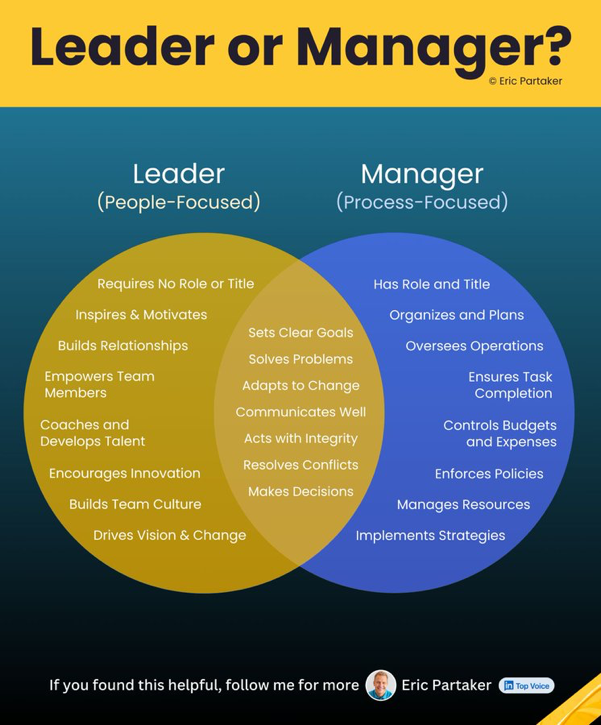
Think about it for a second…
Leadership is not a position, it’s a decision!
It’s not where you stand in the hierarchy, or on the org chart. Its how you show up and positively impact your world and others.
Authentic, embodied leadership is sorely needed in every aspect of society, and you are the person the world is waiting for.
- How can you improve your leadership impact and get the most out of the leadership amplification effect?
- Why do some leaders flounder in a crisis, and other’s deliver with calm and aplomb in super stressful circumstances?
- Language matters. Science says using this 4-word phrase instead of ‘thank you’ will make you a better leader.
- How does one balance the dualities of both hard and soft skills in fostering a high performance, high fulfillment culture?
- How does effective coaching benefit leaders?
- Does your self-talk shape your potential to be your best self and to be the best leader you can be?
This week you can listen, learn, and love the latent leadership potential with in you.
You’ve got this!!
Rising to the Occasion- Wellness 2.0 on Hidden Brain:
From time to time, all of us are called upon to do hard or even seemingly impossible things. Do we rise to the occasion, or do we fall short? Today on the show, we examine the psychology of pushing through a crisis. We talk with psychologist Adam Galinsky about great leaders, and what they can teach us about being steadfast in the face of challenges.
Wellness 2.0: Rising to the Occasion | Hidden Brain Media
Science says using this 4-word phrase instead of ‘thank you’ will make you a better leader:
Science Says Using This 4-Word Phrase Instead of ‘Thank You’ Will Make You a Better Leader
The Hard and Soft of Great Leadership: Mastering Dualities in Business with Moshe E:
| The Hard and Soft of Great Leadership: Mastering Dualities in Business Years ago, I studied a form of Karate called Gōjū-ryū, which means “hard and soft.” This duality fascinated me. On one hand, the martial art was about sharp, decisive movements; on the other, fluid, adaptable ones. Strength and flexibility in perfect harmony. Learning how to deal with apparent opposites is a major growth edge for many top executives I coach. The fact is, leadership inherently means living in a land of dualities. Growth and stability. Innovation and tradition. Directing and empowering. Consider for yourself: What dualities are you currently navigating in your leadership? Are there areas where you’re leaning too far into one side at the expense of the other? If you lean too far into one side, the other can suffer. Go too “hard,” and you risk rigidity. Too much “soft,” and you might lack direction. True leadership embraces both. |
| How to Balance Dualities The trick? It’s not either/or. It’s both/and. Balancing dualities is where leadership magic happens. Here are three common examples: Here’s the truth: clarity builds trust and respect. When everyone knows what’s expected and when, it reduces uncertainty and fosters confidence in the process. Trust is the secret sauce that makes delegation work. Decisiveness and Patience: Great leaders know when to act decisively to seize opportunities and when to exercise patience to allow clarity to emerge. Balancing urgency with thoughtful timing creates impactful decisions. Structure and Creativity: Foster innovation by creating a framework that provides clear guidance and boundaries while leaving enough space for imagination and original ideas to thrive. Productivity and innovation can coexist. Confidence and Vulnerability: You can project self-confidence while also being willing to admit mistakes, ask for help, and show your human side. This balance allows leaders to connect deeply with their teams through a combination of strength and relatability. |
| 5 Amare Action Steps to Master Dualities 1. Identify your hard and soft. Reflect on your leadership style. Where can you add strength without losing flexibility, and vice versa? 2. Reframe the opposites. Look at an apparent duality in your work (e.g., purpose vs. profit) and brainstorm ways to integrate them. 3. Practice balance. In your next decision, consciously consider both sides of the equation—movement and stillness, logic and intuition—and find the harmony. 4. Model both/and thinking. Encourage your team to see opportunities for integration rather than division. Reward solutions that embrace duality. 5. Embrace adaptability. Remember, what’s hard now may need to be soft later, and vice versa. Leadership is about flowing with the needs of the moment. |
| Leadership: A Hard and Soft Skill The beauty of dualities is they challenge us to grow. They ask us to be strong yet flexible, purposeful yet profitable, decisive yet patient. Leading the Amare Way, putting the power of love to work, means embracing both sides—the hard and the soft—with love and wisdom. As you reflect on your leadership for this year, think about your Gōjū-ryū moments. Where can you bring strength? Where can you add flexibility? And how can you embrace the art of both/and in everything you do? After all, true leadership isn’t about choosing sides. It’s about finding harmony—and sometimes, even a little humor—in the dance of dualities. |

Three Selves in Coaching with Eric K:
I’m going to pull back the curtain on my coaching approach for those of you who are into coaching your direct reports. While we agree that coaching is aimed at improving the version of the leader I’m talking with, that’s only part of the story. Effective coaching taps three dimensions of the person you’re coaching: the present self, past self (those “inner ancestors” that shape your mindset), and future self (the version of you that’s calling to be realized).
Typical coaches pay a lot of attention to the present self – the one showing up, rolling up its sleeves, and navigating the challenges of leading today. This self deserves tons of respect. It’s managing teams, balancing the demands of a high-stakes role, and shouldering responsibility for the future of the organization. A good coach honors and supports the present self so it can perform better in real time. A coach can help this self sharpen focus, make decisions, and become more resilient to stress. But if we only deal with the present, we miss a huge opportunity.
Then, there’s the past self, or as I like to call it, your “inner ancestors”. These are the versions of you shaped by previous experiences – triumphs and setbacks. Some of your past selves are like wise old relatives: they’ve been through the wars and have valuable lessons to share. Others are more like the ghosts that haunt you – the ones that didn’t heal properly from old wounds or are still holding onto outdated beliefs. I help you access these inner ancestors, resource them, honor what they’ve been through, and integrate their wisdom. It’s about learning from your own history and untangling the knots that keep you from moving forward.
And that brings us to the future self, the emergent one. This is the you that’s calling for change – the part of you that senses there’s something more ahead. This future self often shows up as a subtle itch, a feeling of dissatisfaction, or an unshakable curiosity about what might be possible. It’s not just about setting goals and working toward them; it’s about clarifying what’s beckoning you forward. It’s about listening to that inner voice that says, “I am evolving and want to be different, bigger, more aligned with who I’m becoming.” My role here is to help you define and articulate what that emergent self looks like and how you can step into that version today.
So, my coaching isn’t just about fine-tuning your performance in the present. It’s about navigating your past to access hidden resources and letting go of unhelpful baggage. It’s about clarifying what is calling from your future and how to answer its call.
Ultimately, my coaching isn’t engaging just one version of you – I work with all three. And when those three selves come into alignment, that’s where real transformation happens.
In the spirit of leading and learning.
Eric
The Science Behind Talking To Yourself:
The Science Behind Talking To Yourself : 1A : NPR

Thanks this week go to Moshe E, Eric K and all the leaders that have and will transform our world!
Please lead with purpose and pay it forward.
Love,
Neville
Linked-In: https://www.linkedin.com/in/nevillebillimoria
X: https://twitter.com/NevilleB108
Facebook: https://www.facebook.com/nbillimoria
“Leadership is a matter of how to be, not how to do.” — Frances Hesselbein
 Happy Soul Food Friday!